












































Seasonal Self-Care: Restoring Energy and Vitality in Autumn
As autumn deepens, the season invites slowing down and restoring energy. Seasonal self-care is a Soul Sustainability™ practice that recharges mind, body, and spirit while fostering ecological awareness and alignment with natural cycles.
By prioritizing intentional self-care, we enhance resilience, emotional balance, and overall wellbeing, transforming autumn into a regenerative and mindful season.
Why Seasonal Self-Care Matters
Autumn transitions bring:
-
Energy Shifts: Shorter days can impact vitality and motivation.
-
Emotional Vulnerability: Seasonal changes may increase stress or mood fluctuations.
-
Physical Needs: Cooler temperatures require warmth, nutrient support, and rest.
-
Ecological Attunement: Observing seasonal cycles supports connection to nature.
Seasonal self-care ensures personal balance and prepares us for winter, supporting long-term regeneration.
The Science Behind Seasonal Self-Care
-
Sleep & Circadian Rhythm: Prioritizing sleep stabilizes mood, hormone regulation, and energy (Czeisler & Gooley, 2007).
-
Stress Regulation: Self-care reduces cortisol, supports immune function, and enhances emotional resilience (Sapolsky, 2004).
-
Nutritional Support: Eating seasonally and nutrient-rich foods supports energy and immunity.
-
Mind-Body Connection: Practices like mindfulness, yoga, and grounding rituals enhance parasympathetic nervous system activity.
Intentional self-care bridges personal wellness with ecological attunement, central to Soul Sustainability™.
Psychological and Emotional Benefits
Seasonal self-care provides:
-
Energy Restoration: Replenishes mental, physical, and emotional reserves.
-
Calm and Presence: Reduces stress and fosters mindfulness.
-
Emotional Balance: Supports mood stabilization and reflection.
-
Connection: Aligns personal rhythms with nature and planetary cycles.
Practical Autumn Self-Care Rituals
1. Restorative Sleep
-
Prioritize 7-9 hours of sleep; adjust bedtime to natural light cycles.
-
Use warm lighting and calming rituals before bed.
2. Warm and Nourishing Meals
-
Prepare soups, stews, and roasted root vegetables.
-
Incorporate warming spices like cinnamon, nutmeg, and ginger.
3. Mindful Movement
-
Gentle yoga, stretching, and walks in nature restore energy.
-
Focus on breath, body awareness, and sensory presence.
4. Grounding & Nature Connection
-
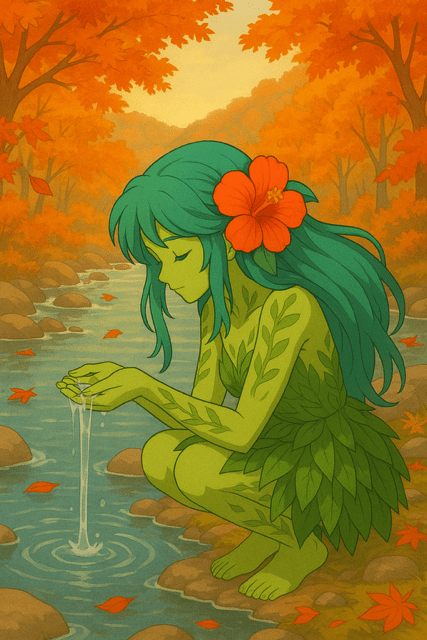
Walk barefoot in grass or touch natural textures indoors.
-
Observe seasonal changes and reflect on personal growth.
5. Digital Detox & Reflection
-
Limit screen time in evenings and weekends.
-
Use reflective journaling to process emotions, gratitude, and seasonal intentions.
6. Creative Expression
-
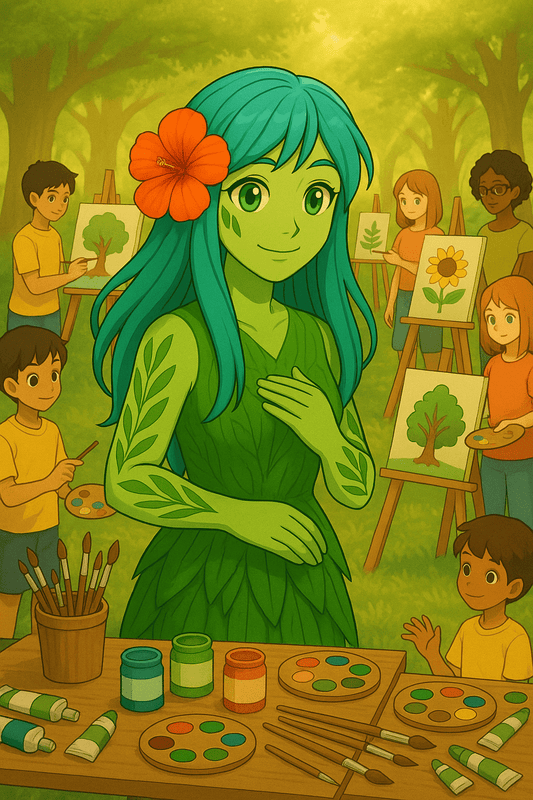
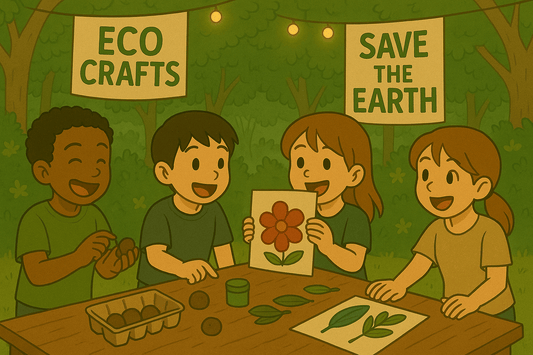
Engage in art, writing, music, or crafting using seasonal inspiration.
-
Channel energy into mindful, regenerative creativity.
Seasonal Self-Care and Soul Sustainability™
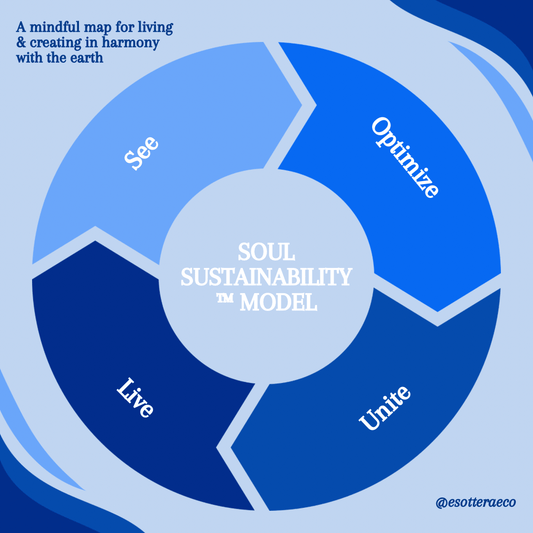
Self-care embodies SOUL™ principles:
-
SEE™: Observe personal energy, emotional states, and seasonal cues.
-
OPTIMIZE™: Adjust routines, nutrition, and practices for optimal vitality.
-
UNITE™: Connect self-care with nature, community, and ecological stewardship.
-
LIVE™: Integrate seasonal self-care into consistent, regenerative practice.
By prioritizing self-care, autumn becomes a season of renewal and balance, supporting holistic Soul Sustainability™.
Science-Backed Impacts
-
Immune Support: Sleep, nutrient-rich meals, and stress reduction enhance immunity (Czeisler & Gooley, 2007).
-
Mood & Cognitive Function: Mindful movement, creativity, and reflection improve focus and emotional resilience.
-
Energy Optimization: Balanced routines restore vitality and prevent burnout.
-
Ecological Engagement: Aligning self-care with seasonal rhythms strengthens connection to nature and sustainable practices.
Seasonal self-care supports both personal and planetary regeneration, central to Soul Sustainability™.
Urban Adaptations
Even in cities:
-
Create calming sleep environments and restorative rituals indoors.
-
Walk in parks, rooftops, or community gardens for grounding.
-
Prepare seasonal meals using local or CSA produce.
-
Use mindful reflection, journaling, or creative practices to restore energy.
Urban self-care ensures regenerative practices even without extensive natural settings.
Conclusion
Autumn invites intentional seasonal self-care, replenishing energy, stabilizing emotions, and deepening ecological connection. Through restorative sleep, mindful movement, seasonal nutrition, grounding, and creative expression, we cultivate presence and resilience, preparing for winter and beyond.
This November, let seasonal self-care be a Soul Sustainability™ practice, nourishing mind, body, and planet.
References (APA)
Czeisler, C. A., & Gooley, J. J. (2007). Sleep and circadian rhythms in humans. Cold Spring Harbor Symposia on Quantitative Biology, 72, 579-597.
Sapolsky, R. M. (2004). Why zebras don’t get ulcers (3rd ed.). New York: Holt Paperbacks.