



































Forest Bathing: Deepening Connection to Nature and Self in Early Fall
Early fall is an ideal season for forest bathing (Shinrin-yoku) - a mindful practice of immersing yourself in nature to reduce stress, improve mood, and strengthen ecological awareness. Forest bathing is a Soul Sustainability™ practice, integrating physical, mental, and environmental health.
By slowing down and intentionally observing natural surroundings, we restore presence, balance, and connection to the planet.
Why Forest Bathing Matters
Forest bathing impacts both personal and ecological wellbeing:
-
Mental Health: Reduces stress, anxiety, and depression.
-
Physical Health: Lowers blood pressure, boosts immunity, and increases energy.
-
Cognitive Function: Enhances attention, creativity, and problem-solving (Li, 2010).
-
Environmental Awareness: Direct contact with nature strengthens ecological connection and stewardship.
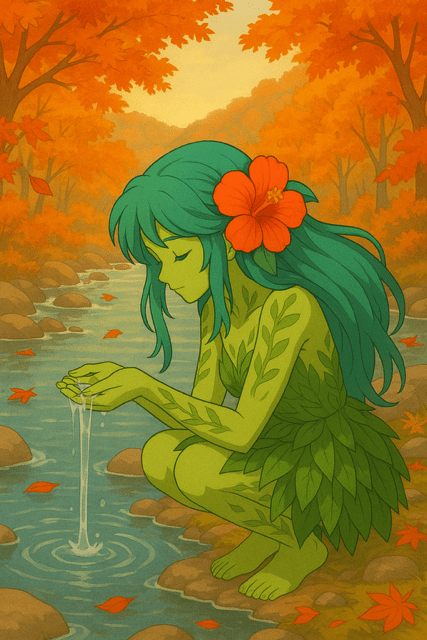
Early fall, with changing foliage, crisp air, and abundant natural scents, provides optimal conditions for mindful immersion.
The Science of Forest Bathing
-
Stress Reduction: Exposure to forests lowers cortisol and sympathetic nervous activity (Li, 2010).
-
Immune Support: Phytoncides - volatile compounds from plants-enhance natural killer cell activity.
-
Cognitive Benefits: Mindful walking in nature improves memory, focus, and creativity (Berman et al., 2008).
-
Emotional Regulation: Nature immersion fosters calm, gratitude, and presence.
Forest bathing is a holistic approach to personal and ecological regeneration.
Psychological and Emotional Benefits
Forest bathing supports:
-
Presence: Focus on senses-sight, smell, touch, and hearing.
-
Stress Relief: Reduces mental fatigue and promotes relaxation.
-
Cognitive Clarity: Enhances creative thinking and attention restoration.
-
Ecological Connection: Strengthens understanding and appreciation of natural cycles.
Practical Early Fall Forest Bathing Practices
1. Mindful Nature Walks
-
Walk slowly in forests, parks, or green spaces.
-
Focus on trees, leaves, sounds, and seasonal changes.
2. Sensory Awareness
-
Engage sight, smell, touch, and hearing fully.
-
Note textures, colors, scents, and sounds of early fall.
3. Breath and Grounding
-
Practice deep, slow breathing while walking or sitting.
-
Feel contact with soil, leaves, or forest floor to ground yourself.
4. Journaling and Reflection
-
Record thoughts, emotions, and observations post-walk.
-
Reflect on personal energy, presence, and connection to nature.
5. Integrate with Community
-
Invite friends or family to join mindful forest walks.
-
Share experiences to cultivate shared ecological awareness.
6. Seasonal Observations
-
Track leaf color changes, temperature shifts, and animal behavior.
-
Connect observations with broader natural cycles for presence and insight.
Forest Bathing and Soul Sustainability™
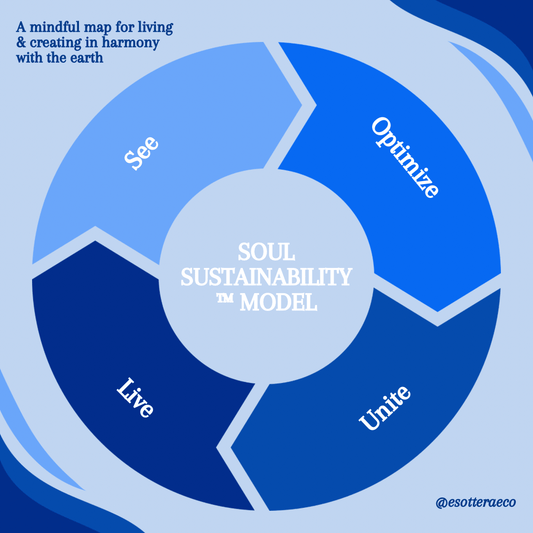
Forest bathing embodies SOUL™ principles:
-
SEE™: Observe nature, personal responses, and seasonal patterns.
-
OPTIMIZE™: Adjust pace, focus, and sensory engagement for maximal restorative impact.
-
UNITE™: Connect with the forest, community, and ecosystem.
-
LIVE™: Incorporate regular forest bathing into life as a regenerative, mindful practice.
By immersing in nature, we cultivate presence, ecological awareness, and restorative energy.
Science-Backed Impacts
-
Stress Reduction: Cortisol levels decrease, and mood improves after forest walks (Li, 2010).
-
Immune Support: Phytoncides enhance natural killer cell activity.
-
Cognitive Benefits: Improved memory, attention, and creativity (Berman et al., 2008).
-
Ecological Awareness: Direct engagement fosters long-term environmental stewardship.
Forest bathing connects personal wellbeing with planetary care, core to Soul Sustainability™.
Urban Adaptations
Even in cities:
-
Visit urban parks, green rooftops, or community gardens.
-
Take mindful walks focusing on trees, plants, and seasonal cues.
-
Engage senses intentionally, even in limited natural settings.
-
Maintain reflective journaling to strengthen ecological connection.
Urban forest bathing transforms everyday spaces into regenerative environments.
Conclusion
Early fall is ideal for forest bathing, allowing us to restore energy, mental clarity, and ecological awareness. By walking mindfully, engaging senses, and observing seasonal changes, we nourish mind, body, and planet.
This October, let forest bathing be a Soul Sustainability™ practice, harmonizing presence, resilience, and ecological connection.
References (APA)
Berman, M. G., Jonides, J., & Kaplan, S. (2008). The cognitive benefits of interacting with nature. Psychological Science, 19(12), 1207-1212.
Li, Q. (2010). Effect of forest bathing trips on human immune function. Environmental Health and Preventive Medicine, 15(1), 9-17.