
















































Mindful Eating in Late Summer: Nourishing Body and Planet
Late summer brings abundant harvests, peak flavors, and seasonal rhythms, making it the perfect time to practice mindful eating. At Esottera, mindful eating is a Soul Sustainability™ practice, combining nourishment for the body, awareness of natural cycles, and conscious choices for environmental stewardship.
By eating seasonally and with intention, we restore health, emotional balance, and ecological connection.
Why Mindful Eating Matters
Mindful eating encourages awareness and presence in every bite:
-
Physical Health: Supports digestion, nutrient absorption, and metabolism.
-
Cognitive Benefits: Improves attention and reduces mindless snacking.
-
Emotional Regulation: Promotes satisfaction, gratitude, and stress reduction.
-
Environmental Awareness: Choosing seasonal, local, and sustainable foods reduces ecological impact.
Late summer provides fresh, vibrant ingredients ideal for mindful meals and Soul Sustainability™ practices.
The Science of Mindful Eating
Research shows mindful eating enhances both physical and psychological wellbeing:
-
Digestive Efficiency: Mindful chewing improves nutrient absorption and gut function (Robinson et al., 2013).
-
Weight and Satiety: Awareness of hunger and fullness cues prevents overeating.
-
Emotional Benefits: Reduces stress-related eating and increases satisfaction.
-
Environmental Impact: Seasonal, local eating reduces carbon footprint and supports biodiversity.
Intentional eating connects physiological needs with ecological consciousness.
Psychological and Emotional Benefits
Mindful, late-summer eating supports:
-
Presence: Savor the vibrant flavors, textures, and colors of seasonal produce.
-
Emotional Balance: Eating with awareness reduces stress and fosters gratitude.
-
Cognitive Clarity: Attention to food improves focus and decision-making.
-
Environmental Awareness: Choosing local, seasonal foods strengthens connection to sustainable food systems.
Practical Mindful Eating Practices
1. Seasonal Meal Planning
-
Incorporate fruits, vegetables, and herbs abundant in late summer (berries, tomatoes, peppers, zucchini).
-
Choose organic or regenerative options where possible.
2. Mindful Preparation
-
Engage senses while cooking: aroma, color, texture, and sound.
-
Practice gratitude for the labor and ecosystems that produced your meal.
3. Slow, Intentional Eating
-
Chew thoroughly, notice flavors, textures, and temperature.
-
Pause between bites to check hunger and fullness cues.
4. Connect with Nature
-
Eat outdoors when possible, observing seasonal sights and sounds.
-
Reflect on how the food connects you to the earth and seasonal cycles.
5. Sustainable Practices
-
Reduce food waste through planning and storage.
-
Compost organic scraps or participate in community composting.
6. Journaling and Reflection
-
Note energy, mood, and digestion responses to mindful meals.
-
Observe patterns related to seasonal foods and ecological impact.
Mindful Eating and Soul Sustainability™
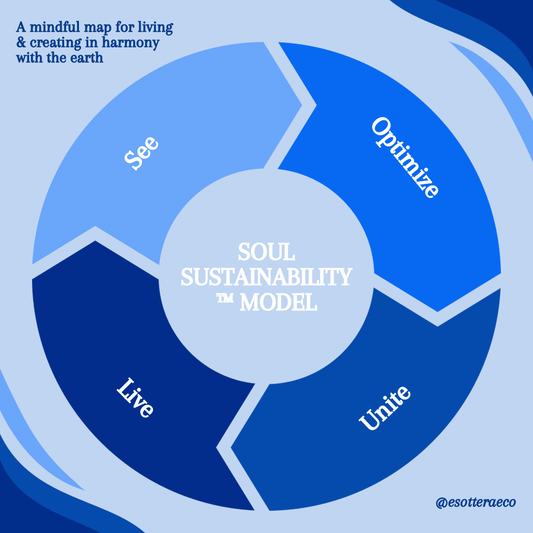
Mindful eating exemplifies SOUL™ principles:
-
SEE™: Observe hunger cues, emotional triggers, and environmental impact.
-
OPTIMIZE™: Adjust meal timing, portion size, and food sourcing for body and planet.
-
UNITE™: Connect meals with ecological systems, local communities, and seasonal rhythms.
-
LIVE™: Integrate mindful eating into daily life as a regenerative, restorative practice.
Eating seasonally and intentionally becomes an act of presence, health, and planetary care.
Science-Backed Impacts
-
Digestive Health: Mindful chewing and meal attention improve nutrient absorption and gut microbiome function (Robinson et al., 2013).
-
Emotional Regulation: Reduces stress-related or mindless eating, improving satisfaction and mood.
-
Cognitive Function: Enhances focus, attention, and decision-making.
-
Sustainability: Seasonal and local consumption reduces food miles, energy use, and supports regenerative agriculture.
Mindful eating integrates personal wellness with ecological responsibility, a cornerstone of Soul Sustainability™.
Urban Mindful Eating Tips
Even in cities:
-
Shop at farmers’ markets or local co-ops for seasonal produce.
-
Prepare meals with attention, even with limited space.
-
Eat away from screens to increase presence and satisfaction.
-
Use composting or eco-friendly waste disposal when possible.
Small, intentional actions turn everyday meals into regenerative Soul Sustainability™ practices.
Conclusion
Late summer is the perfect time to practice mindful eating, enjoying seasonal abundance, restoring energy, and deepening ecological awareness. By savoring each bite, choosing sustainable foods, and integrating reflective practices, every meal becomes a Soul Sustainability™ ritual, nourishing both body and planet.
This September, eat with intention, presence, and gratitude, letting every meal restore vitality and ecological connection.
References (APA)
Robinson, E., Aveyard, P., Daley, A., Jolly, K., Lewis, A., Lycett, D., & Higgs, S. (2013). Eating attentively: A systematic review and meta-analysis of the effect of mindful eating on energy intake. Appetite, 71, 259-271.
Kristeller, J. L., & Wolever, R. Q. (2011). Mindfulness-based eating awareness training for treating binge eating disorder: The conceptual foundation. Eating Disorders, 19(1), 49-61.