
















































Summer Mindful Eating: Nourishing Body, Mind, and Planet
Early August is the peak of summer abundance - fresh produce, seasonal flavors, and vibrant colors surround us. Mindful eating in this season isn’t just about nutrition - it’s a way to cultivate presence, emotional balance, and ecological awareness.
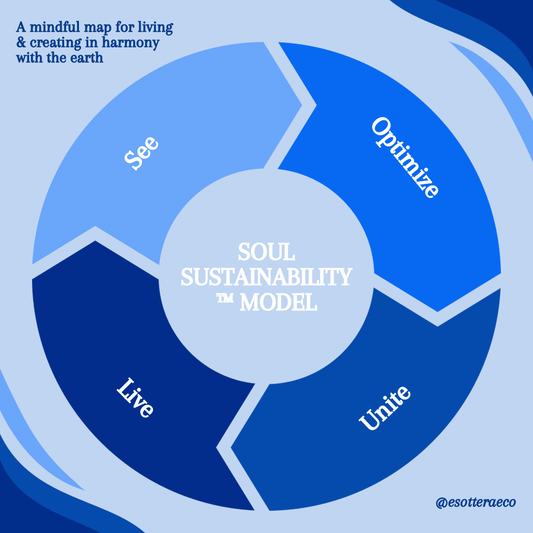
At Esottera, we view mindful eating as a Soul Sustainability™ practice, integrating physical nourishment, emotional regulation, and environmental connection.
Why Mindful Eating Matters
Mindful eating encourages awareness of body cues, flavors, and environmental impact, enhancing overall wellbeing:
-
Physiological Health: Mindful attention improves digestion, nutrient absorption, and satiety regulation.
-
Emotional Balance: Reduces stress-related or impulsive eating and improves mood.
-
Cognitive Benefits: Increases focus, presence, and self-regulation during meals.
-
Ecological Awareness: Awareness of food sources promotes sustainable consumption and reduces waste.
In summer, the sensory richness of seasonal foods makes mindful eating particularly effective and enjoyable.
Neuroscience of Mindful Eating
-
Insula Activation: Mindful attention to taste and texture enhances interoceptive awareness and emotional regulation (Fischer et al., 2017).
-
Prefrontal Cortex Engagement: Supports decision-making and impulse control during food choices.
-
Dopaminergic Reward: Mindful savoring increases pleasure and satisfaction without overconsumption.
-
Gut-Brain Connection: Attentive eating enhances digestion and supports microbiome health, which influences mood and cognition.
These mechanisms show that mindful eating is not only psychological but also physiological, especially when consuming fresh summer foods.
Psychological and Emotional Benefits
Mindful summer eating promotes:
-
Emotional Regulation: Awareness of hunger and fullness cues reduces stress-eating patterns.
-
Presence and Gratitude: Noticing flavors, textures, and colors enhances enjoyment and fosters appreciation.
-
Body Awareness: Increases recognition of energy needs and physical cues.
-
Connection to Nature: Observing the origins and seasonality of foods strengthens ecological awareness.
Even a single intentional meal per day can enhance wellbeing.
Practical Mindful Eating Practices
1. Savor the Senses
-
Focus on color, aroma, texture, and taste of each bite.
-
Chew slowly, noticing flavors fully.
2. Seasonal Alignment
-
Eat fruits, vegetables, and herbs in their peak summer season.
-
Supports local farmers and reduces environmental impact of transported produce.
3. Eat Without Distraction
-
Avoid screens or multitasking.
-
Observe hunger, fullness, and emotional responses during meals.
4. Reflect on Origins
-
Think about where your food came from, its journey, and ecological impact.
-
Enhance gratitude and reinforce environmental mindfulness.
5. Hydrate Consciously
-
Pair meals with water or herbal infusions to support digestion and internal awareness.
Summer Mindful Eating and Soul Sustainability™
Mindful eating embodies the SOUL™ framework:
-
SEE™: Observe physical hunger, emotional cues, and environmental food impacts.
-
OPTIMIZE™: Choose seasonal, regenerative foods aligned with body and planet.
-
UNITE™: Strengthen the connection between self, community, and ecosystem through mindful choices.
-
LIVE™: Integrate conscious eating into daily life, expressing values through food habits.
Every meal becomes an opportunity for regenerative alignment of body, mind, and environment.
Science-Backed Impacts
-
Cognitive Function: Mindful attention during meals enhances focus and reduces distraction (Fischer et al., 2017).
-
Emotional Regulation: Awareness of internal cues decreases stress-related overeating.
-
Microbiome Health: Mindful consumption of whole, seasonal foods supports digestive and immune function (David et al., 2014).
-
Environmental Consciousness: Mindful reflection on food sources encourages sustainable and ethical consumption.
Mindful summer eating is both a self-care and ecological stewardship practice, fostering Soul Sustainability™ in action.
Urban Mindful Eating Tips
Even in cities:
-
Seek local farmer’s markets or community-supported agriculture (CSA).
-
Prepare small plates of seasonal fruits and vegetables.
-
Use moments of lunch breaks or outdoor picnics for sensory-focused eating.
-
Avoid pre-packaged processed foods to reduce environmental footprint.
Intentional, mindful meals cultivate health, joy, and ecological connection even in urban environments.
Conclusion
Mindful summer eating is more than nourishment - it’s a regenerative practice for body, mind, and planet. By fully engaging with your meals, appreciating seasonal abundance, and reflecting on ecological impact, you embody Soul Sustainability™ in daily life.
This August, let each bite be a step toward vitality, emotional clarity, and planetary awareness.
References (APA)
David, L. A., Maurice, C. F., Carmody, R. N., et al. (2014). Diet rapidly and reproducibly alters the human gut microbiome. Nature, 505(7484), 559 - 563.
Fischer, D., Kibele, A., & Wittmann, M. (2017). Mindful eating in everyday life: Effects on self-reported eating behavior and stress. Appetite, 112, 85 - 93.
Kristeller, J. L., & Wolever, R. Q. (2011). Mindfulness-based eating awareness training for treating binge eating disorder: The conceptual foundation. Eating Disorders, 19(1), 49 - 61.