
















































Eco-Meditation: Using Nature to Restore Emotional Balance
Summer is a season of abundance, sensory stimulation, and extended daylight, which can both energize and overwhelm. Eco-meditation - mindful, nature-based meditation - offers a practical path to emotional regulation, mental clarity, and regenerative connection with the environment.
At Esottera, we integrate Soul Sustainability™ principles into eco-meditation, helping you align internal rhythms with seasonal cycles and cultivate sustainable habits for self, community, and planet.
What is Eco-Meditation?
Eco-meditation is the practice of mindful presence within a natural environment, engaging the senses while observing and attuning to ecosystems. Unlike traditional meditation indoors, eco-meditation:
-
Anchors attention in external stimuli (sounds, textures, movement).
-
Connects the practitioner to seasonal cycles and natural processes.
-
Encourages embodied awareness of personal energy, emotional states, and ecological interdependence.
In summer, when nature is at its peak activity, eco-meditation becomes highly restorative and invigorating.
The Neuroscience of Nature-Based Meditation
Scientific research supports the physiological and psychological effects of eco-meditation:
-
Reduced Cortisol and Stress: Exposure to natural stimuli during meditation lowers stress hormones (Park et al., 2010).
-
Prefrontal Cortex Activation: Mindful attention in nature improves executive function and emotional regulation (Tang et al., 2015).
-
Default Mode Network Modulation: Shifts focus from rumination to present-moment awareness, reducing anxiety and enhancing mood (Brewer et al., 2011).
-
Enhanced Empathy: Observing natural interconnections promotes prosocial behavior and ecological concern (Nisbet & Zelenski, 2011).
Even brief sessions - 5 to 20 minutes - yield measurable benefits.
Psychological and Emotional Benefits
Regular eco-meditation in summer supports:
-
Stress Reduction: Nature exposure plus mindfulness reduces physiological and psychological stress markers.
-
Improved Emotional Regulation: Enhances resilience and self-awareness.
-
Enhanced Focus and Creativity: Mindful attention in natural settings improves problem-solving and cognitive flexibility.
-
Ecological Awareness: Observing natural systems strengthens motivation for pro-environmental behaviors.
By syncing practice with summer’s abundance, emotional restoration and ecological connection are amplified.
Practical Eco-Meditation Techniques for Summer
1. Five Senses Grounding
-
Sit or stand outdoors.
-
Slowly observe: 5 things you see, 4 things you feel, 3 things you hear, 2 things you smell, 1 thing you taste.
-
Focus fully on each sense before moving to the next.
2. Seasonal Element Focus
-
Pick a natural element: sun, water, tree, or flower.
-
Observe it for 5 - 10 minutes - its color, movement, texture, sounds, and changes.
-
Reflect on your connection to the larger ecosystem.
3. Walking Meditation
-
Walk slowly on grass, sand, or soil.
-
Sync steps with your breath, noticing each footfall and sensation.
-
Observe seasonal sounds, temperature changes, and insect or animal activity.
4. Breath-and-Nature Integration
-
Combine mindful breathing with environmental awareness.
-
Inhale while noticing expansive sky or sunlight; exhale while feeling connection to the earth.
5. Journaling Reflections
-
After meditation, record sensations, thoughts, and feelings.
-
Reflect on seasonal patterns and your role within natural systems.
Summer Eco-Meditation and Soul Sustainability™
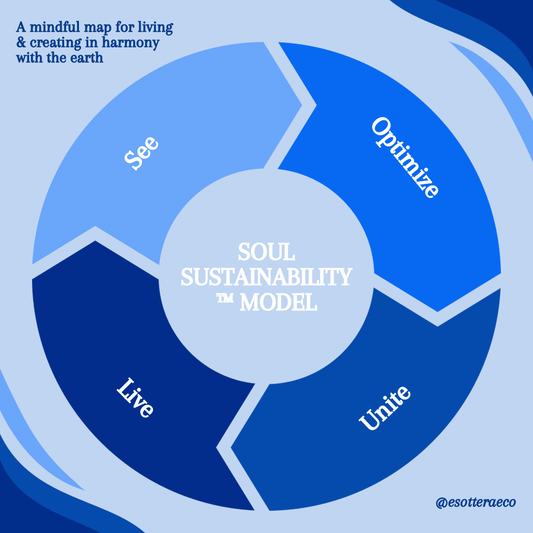
Eco-meditation embodies the SOUL™ framework:
-
SEE™: Observe your energy, emotions, and nature’s seasonal abundance.
-
OPTIMIZE™: Adjust routines and pace based on internal and environmental cues.
-
UNITE™: Align yourself with nature, community, and ecological rhythms.
-
LIVE™: Let mindfulness guide regenerative choices and actions.
Through eco-meditation, inner emotional ecology and outer environmental stewardship merge, promoting holistic sustainability.
Science-Backed Impacts
-
Stress Relief: Forest or park-based meditation reduces cortisol and autonomic arousal (Park et al., 2010).
-
Emotional Resilience: Mindful engagement with nature improves mood and reduces depressive symptoms (Bratman et al., 2015).
-
Cognitive Enhancement: Attention restoration from outdoor meditation improves focus, creativity, and problem-solving (Berman et al., 2012).
-
Pro-environmental Behavior: Awareness and emotional connection to ecosystems increases sustainable behaviors (Nisbet & Zelenski, 2011).
In summer, heightened sensory richness enhances neurophysiological and psychological benefits.
Tips for Urban Eco-Meditation
Even without wilderness nearby, eco-meditation is possible:
-
Use city parks, rooftop gardens, or green balconies
-
Focus on urban trees, flowers, water features, or birds
-
Combine short walking meditation or five-sense grounding
-
Limit digital distractions to enhance attention and connection
Consistency matters more than location - even short, mindful sessions daily build resilience and ecological attunement.
Conclusion
Eco-meditation is a powerful practice for restoring emotional balance, boosting cognitive function, and fostering ecological empathy - particularly in summer’s sensory abundance. By combining mindfulness, nature observation, and reflection, you cultivate Soul Sustainability™ in daily life, aligning your inner rhythm with seasonal cycles and environmental regeneration.
This July, step outside, immerse your senses, and let summer’s richness restore your mind, heart, and connection to the planet.
References (APA)
Berman, M. G., Jonides, J., & Kaplan, S. (2012). The cognitive benefits of interacting with nature. Psychological Science, 19(12), 1207 - 1212.
Bratman, G. N., Daily, G. C., Levy, B. J., & Gross, J. J. (2015). The benefits of nature experience: Improved affect and cognition. Landscape and Urban Planning, 138, 41 - 50.
Brewer, J. A., Worhunsky, P. D., Gray, J. R., Tang, Y.-Y., Weber, J., & Kober, H. (2011). Meditation experience is associated with differences in default mode network activity and connectivity. Proceedings of the National Academy of Sciences, 108(50), 20254 - 20259.
Nisbet, E. K., & Zelenski, J. M. (2011). Underestimating nearby nature: Mindfulness predicts environmental engagement. Journal of Environmental Psychology, 31(3), 296 - 303.
Park, B. J., Tsunetsugu, Y., Kasetani, T., et al. (2010). The physiological effects of Shinrin-yoku (taking in the forest atmosphere) in humans: Relaxation and stress reduction. Public Health, 124(4), 267 - 276.
Tang, Y.-Y., Hölzel, B. K., & Posner, M. I. (2015). The neuroscience of mindfulness meditation. Nature Reviews Neuroscience, 16(4), 213 - 225.