
















































Nature Soundscapes: How Summer Sounds Restore Mind and Body
Summer is alive with sounds of nature - chirping birds, buzzing insects, flowing water, rustling leaves. These natural soundscapes do more than please the senses; they are powerful tools for stress reduction, mental clarity, and emotional restoration.
At Esottera, we integrate Soul Sustainability™ principles, using sound as a bridge between inner balance and ecological attunement.
Why Nature Sound Matters
Exposure to natural sounds supports both physiological and psychological health:
-
Stress Reduction: Nature sounds reduce cortisol and blood pressure.
-
Cognitive Restoration: Listening to natural environments improves focus and reduces mental fatigue (Kaplan, 1995).
-
Emotional Regulation: Enhances mood, reduces anxiety, and promotes resilience.
-
Environmental Connection: Awareness of sound fosters ecological empathy and appreciation for biodiversity.
Summer provides abundant and diverse soundscapes, ideal for immersive restorative experiences.
Neuroscience of Nature Sounds
-
Autonomic Nervous System Modulation: Soft, natural sounds increase parasympathetic activity, promoting relaxation.
-
Prefrontal Cortex Engagement: Enhances attention and working memory during exposure to structured soundscapes.
-
Amygdala Regulation: Reduces threat perception and emotional reactivity.
-
Auditory Entrainment: Natural rhythmic sounds can synchronize brainwave patterns, fostering calm and alertness.
Listening intentionally to summer soundscapes integrates neural, emotional, and ecological awareness.
Psychological and Emotional Benefits
Nature soundscapes in summer enhance:
-
Stress Relief: Lower heart rate, blood pressure, and cortisol.
-
Emotional Clarity: Calms agitation, reduces irritability, and improves emotional regulation.
-
Focus and Productivity: Mental restoration improves creativity and problem-solving.
-
Ecological Awareness: Heightened attention to natural sounds deepens connection to the environment.
Even 10-20 minutes daily of mindful listening provides measurable benefits.
Practical Nature Sound Practices
1. Morning Birdsong Meditation
-
Sit or stand outdoors at dawn.
-
Focus on bird calls, breeze, and other morning sounds.
-
Inhale deeply, syncing breath with natural rhythms.
2. Afternoon Water or Wind Listening
-
Seek a stream, fountain, or gentle wind.
-
Close your eyes, notice variations in pitch, tempo, and intensity.
-
Let sound guide a 10-minute meditation or mindful breathing session.
3. Walking Sound Awareness
-
Take a slow walk through green spaces.
-
Listen for insect hum, leaves rustling, distant wildlife.
-
Observe how sound influences mood and pace.
4. Digital Nature Sound Integration
-
Use high-quality recordings of summer soundscapes if outdoor access is limited.
-
Play during meditation, yoga, or work breaks to restore attention and reduce stress.
5. Journaling or Reflection
-
After listening, note emotional and cognitive responses.
-
Reflect on ecological awareness and interconnectedness.
Summer Soundscapes and Soul Sustainability™
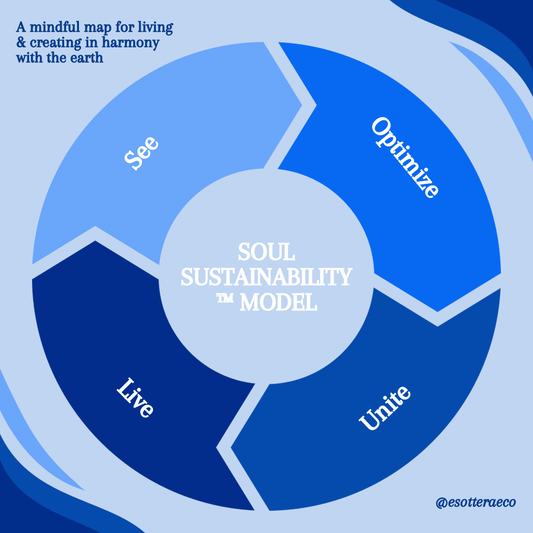
Nature sounds embody the SOUL™ framework:
-
SEE™: Observe auditory cues, emotional shifts, and environmental changes.
-
OPTIMIZE™: Adjust routines, pace, and activity based on restorative benefits.
-
UNITE™: Strengthen the connection between inner awareness and ecological systems.
-
LIVE™: Integrate mindful listening into daily practices as a regenerative habit.
Sound becomes a gateway to presence, regeneration, and ecological empathy.
Science-Backed Impacts
-
Stress Reduction: Listening to natural sounds lowers cortisol and enhances parasympathetic response (Alvarsson et al., 2010).
-
Attention Restoration: Improves cognitive function, reduces fatigue, and enhances creativity (Kaplan, 1995).
-
Mood Enhancement: Reduces anxiety, promotes calm, and increases emotional regulation (Annerstedt & Jönsson, 2011).
-
Environmental Engagement: Awareness of soundscapes fosters pro-environmental behavior and ecological consciousness.
Nature’s soundscape is a powerful, science-backed tool for personal and planetary regeneration.
Urban Sound Practices
Even in cities:
-
Visit parks, botanical gardens, or quiet streets.
-
Use headphones with natural recordings if outside access is limited.
-
Pair listening with mindful breathing, walking, or journaling.
-
Note changes in mood, focus, and stress levels.
Intentional listening transforms ordinary auditory input into regenerative, Soul Sustainability™ practices.
Conclusion
Summer’s soundscapes are more than background ambiance - they restore mental, emotional, and ecological balance. Mindful engagement with nature sounds enhances focus, reduces stress, and strengthens connection to both self and environment.
This August, immerse yourself in summer’s auditory richness, letting natural rhythms restore clarity, calm, and regenerative awareness.
References (APA)
Alvarsson, J. J., Wiens, S., & Nilsson, M. E. (2010). Stress recovery during exposure to nature sound and environmental noise. International Journal of Environmental Research and Public Health, 7(3), 1036-1046.
Annerstedt, M., & Jönsson, P. (2011). Nature-assisted therapy: Systematic review of controlled and observational studies. Scandinavian Journal of Public Health, 39(4), 371-388.
Kaplan, S. (1995). The restorative benefits of nature: Toward an integrative framework. Journal of Environmental Psychology, 15(3), 169-182.