











































The Psychology of Consumption: Aligning Desire with Soul Sustainability™
Consumption is more than a practical necessity - it’s a psychological process, a reflection of values, emotions, and identity. How we consume shapes ecosystems, economies, and our inner ecology. Understanding the psychology of consumption is key to living in alignment with Soul Sustainability™, where conscious choice, emotional awareness, and ecological responsibility converge.
Why We Consume
Psychologists identify multiple drivers of consumption:
-
Biological needs: Food, shelter, warmth
-
Emotional needs: Comfort, stress relief, reward
-
Social signaling: Identity, belonging, status
-
Habit and convenience: Default patterns, cultural conditioning
While basic needs are essential, modern society amplifies emotional and social consumption. Advertising, social media, and fast-paced lifestyles exploit dopamine pathways, creating cycles of overconsumption (Dittmar, 2008).
Unchecked, these patterns fuel resource depletion, carbon emissions, and ecological strain.
The Neuroscience of Desire
Consumption activates reward circuits in the brain:
-
Dopamine release: Reinforces pleasurable choices
-
Amygdala activation: Drives impulse and emotional buying
-
Prefrontal cortex: Governs long-term planning and reflection
Fast-paced lifestyles, stress, and constant stimulation shift balance toward impulsivity, reducing our ability to make ecologically responsible decisions (APA, 2021).
Mindless vs. Mindful Consumption
Most consumption is reactive, not intentional. Mindless consumption arises from:
-
Stress
-
Boredom
-
Social comparison
-
Environmental cues
Mindful consumption, by contrast, engages:
-
Awareness of need vs. desire
-
Attention to ecological impact
-
Alignment with personal values
-
Reflection on life rhythms
Research indicates that mindfulness practices strengthen the prefrontal cortex, reducing impulsive behavior and promoting choices aligned with long-term goals (Tang et al., 2015). Mindful consumption is a bridge between internal alignment and ecological action.
Emotional Ecology and Consumption
Emotional ecology refers to the balance of our internal energy, emotions, and attention. Imbalanced emotional ecology drives compulsive consumption as a coping mechanism.
Practices that restore emotional ecology include:
-
Slow living
-
Nature immersion
-
Meditation and reflection
-
Journaling and expressive arts
-
Restorative sleep
When internal systems are regulated, consumption shifts from reactive to intentional and regenerative.
The Circular and Regenerative Approach to Consumption
Esottera integrates psychological understanding with circular and regenerative practices:
-
Reduce: Identify what is truly necessary
-
Reuse: Extend product lifespans
-
Recycle: Transform items instead of discarding
-
Restore: Choose products and practices that replenish ecosystems
-
Redesign: Opt for solutions that prevent waste at the source
This approach aligns desire with ecological and personal values, creating a feedback loop where consumption supports life rather than depleting it.
Behavioral Strategies for Soul-Aligned Consumption
-
Pause Before Purchase: Wait 24-48 hours to distinguish impulse from intentional need.
-
Reflect on Ecological Impact: Research how products affect carbon, water, and biodiversity.
-
Emotional Check-In: Identify emotions driving desire - stress, boredom, or genuine need.
-
Value Alignment: Choose products aligned with personal and ecological ethics.
-
Circular Solutions: Repair, upcycle, or share before discarding.
-
Community Engagement: Learn and share practices that reduce consumption collectively.
These strategies strengthen internal-external alignment, making sustainable choices easier, more consistent, and joyfully embodied.
Cultural and Societal Influence
Society shapes consumption habits through:
-
Advertising and marketing
-
Social media influence
-
Peer behaviors and norms
-
Fast fashion and “throwaway” culture
By recognizing these external pressures, we regain agency. Mindful consumption requires discerning between social conditioning and authentic desire.
Neuroplasticity and Sustainable Habits
Our brains are plastic, meaning consumption habits can change over time. Repeated practice of mindful, regenerative consumption strengthens neural pathways for:
-
Impulse control
-
Ecological decision-making
-
Long-term planning
-
Emotional regulation
Over time, sustainable consumption becomes automatic, requiring less conscious effort while producing measurable ecological impact.
Consumption as a Spiritual Practice
From a Soul Sustainability™ perspective, consumption is not merely transactional - it is ritualized and sacred:
-
Each choice can honor the Earth, community, and self
-
Consumption becomes an act of gratitude and reciprocity
-
Even minimal consumption, done intentionally, carries energetic and ecological weight
This perspective transforms mundane actions into embodied sustainability, integrating inner values with outer practice.
The Ripple Effect
Mindful, regenerative consumption impacts:
-
Individual well-being: Reduced stress, more satisfaction, emotional balance
-
Community health: Shared resources, education, collaboration
-
Planetary systems: Reduced emissions, waste, and ecological degradation
One conscious purchase or habit can influence social circles, inspire systemic change, and regenerate both personal and planetary ecosystems.
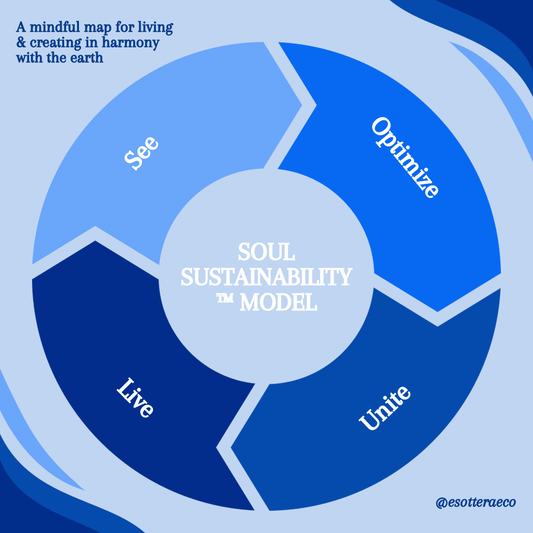
Soul Sustainability™ Integration
Consumption aligned with Soul Sustainability™ addresses all four pillars:
-
SEE™: Awareness of personal and ecological impact
-
OPTIMIZE™: Organizing habits, routines, and resources for minimal harm and maximal benefit
-
UNITE™: Aligning desires with community and ecosystem needs
-
LIVE™: Making intentional consumption a lifestyle expression
This alignment ensures consumption is purposeful, regenerative, and soulful.
Conclusion
The psychology of consumption is complex, influenced by biology, emotion, society, and habit. Yet, understanding these dynamics allows us to realign desire with ecological responsibility.
Soul Sustainability™ teaches that consumption is not inherently harmful. When practiced intentionally, it can restore ecosystems, balance inner ecology, and foster community resilience. By closing loops, slowing down, and aligning desire with values, consumption transforms from a source of depletion into a tool for regeneration and joy.
References (APA)
American Psychological Association. (2021). Stress in America: Coping mechanisms and consumer behavior.
Dittmar, H. (2008). Consumer culture, identity, and well-being: The search for the ‘good life’ and the ‘body perfect’.Psychology Press.
Tang, Y.-Y., Hölzel, B. K., & Posner, M. I. (2015). The neuroscience of mindfulness meditation. Nature Reviews Neuroscience, 16(4), 213-225.