












































Why Nature Immersion Rewires the Brain for Sustainability
In an era of concrete jungles, digital screens, and constant stimulation, nature can feel optional - a weekend luxury or Instagram backdrop. But science tells a different story: nature immersion is not a “nice-to-have”; it is a neurobiological necessity for ecological consciousness, emotional regulation, and sustainable action.
At Esottera, we call this Soul Sustainability™ in action: reconnecting your inner ecology with the rhythms of the natural world. The external environment is a mirror of your internal state, and time spent in nature has measurable effects on the brain, nervous system, and decision-making - effects that directly influence our sustainability behaviors.
The Neuroscience of Nature
Research shows that spending regular time in natural environments reduces activity in the amygdala - the brain’s “threat center” - and enhances prefrontal cortex functioning, which governs attention, empathy, and executive function (Bratman et al., 2015). In simpler terms:
-
Calm brain → better choices
-
Regulated emotions → less impulsive consumption
-
Heightened attention → awareness of ecological impact
A 2019 study in Scientific Reports demonstrated that spending at least 120 minutes per week in nature significantly improves well-being and increases pro-environmental behaviors (White et al., 2019). That’s just two hours - roughly 17 minutes a day - enough to begin shifting your neural wiring toward ecological awareness.
Nature and Emotional Regulation
High-paced urban living triggers chronic stress. Stress, in turn, drives a cascade of unsustainable behaviors:
-
impulsive shopping
-
overreliance on convenience goods
-
digital overconsumption
-
disconnection from environmental cues
Nature immersion acts like a reset button. It lowers cortisol, reduces blood pressure, and balances the autonomic nervous system (NIH, 2019). By rebalancing internal ecology, nature helps you move from reactive to intentional living - one of the foundations of Soul Sustainability™.
Microbiome Connection
There’s more than just a neurological effect. Soil and plant microbiota, like Mycobacterium vaccae, have been shown to boost serotonin production, reduce anxiety, and increase feelings of well-being (Lowry et al., 2007). Simply walking barefoot in grass, gardening, or touching soil can literally elevate mood and improve decision-making.
In other words, connecting with nature isn’t just metaphorical - it’s biochemical.
Ecological Empathy
Nature immersion strengthens empathy - not only for humans but for all living beings. Neuroscientific studies show that exposure to natural environments increases prosocial behavior and strengthens the moral imperative to protect life (Bratman et al., 2019).
When you witness the intricacies of an ecosystem - how soil, water, air, plants, and animals interact - you naturally develop a sense of reciprocity. This empathetic alignment translates directly into behaviors that reduce waste, conserve resources, and honor life cycles.
The Role of Mindfulness in Nature
Mindfulness and nature immersion amplify each other. The act of noticing textures, sounds, and colors increases attention and gratitude, enhancing the reward pathways associated with prosocial and ecological behavior.
Techniques include:
-
Walking slowly and observing details
-
Listening deeply to birds, wind, and water
-
Practicing mindful breathing outdoors
-
Journaling sensory experiences
These small practices help your inner system attune to outer rhythms. Neuroscience shows that mindful attention improves prefrontal cortical control over impulsive behaviors (Tang et al., 2015), reinforcing sustainable choices.
Nature Exposure and Behavior Change
Nature doesn’t just soothe - it teaches action. Exposure has been linked to increased:
-
Recycling participation
-
Energy conservation
-
Water-saving behaviors
-
Volunteering for environmental causes
Bratman et al. (2019) found that urban dwellers who spent time in green spaces were more likely to engage in sustainable behaviors than those in grey urban environments. Nature serves as both inspiration and practical scaffolding for conscious action.
Creating Nature Habits in a Modern World
Not everyone lives near a forest or coast, but nature immersion can be adapted to urban contexts:
-
Visit local parks or community gardens
-
Bring plants indoors or create a balcony garden
-
Take “green breaks” during work hours
-
Walk barefoot on grass or soil
-
Sit by water or natural sunlight
-
Incorporate natural sounds or recordings into your environment
Even brief, regular exposure rewires the brain. The goal isn’t perfection; it’s consistency. Two hours a week, broken into small daily moments, is enough to start cultivating neurobiological shifts.
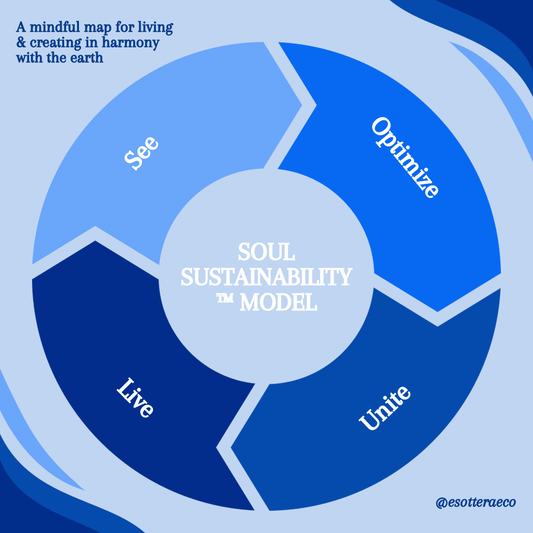
Soul Sustainability™ Alignment
Nature immersion touches multiple pillars of the SOUL Sustainability™ framework:
-
SEE™: Awareness of inner and outer environments
-
OPTIMIZE™: Aligning routines with natural cycles
-
UNITE™: Reconnection to Earth’s rhythms and emotional ecology
-
LIVE™: Expressing sustainability as integrated practice
Through nature immersion, sustainable living becomes embodied rather than intellectual. You don’t have to remember rules - you start living in alignment with what your body, brain, and heart know to be true.
The Ripple Effect
Time in nature doesn’t just impact you - it radiates outward. When your nervous system is regulated and your mind is attentive:
-
You make wiser consumer choices
-
You act with patience and deliberation
-
You influence friends, family, and community toward conscious action
-
You advocate for policies and practices that protect ecosystems
The ecological impact of inner alignment is exponential.
Practical Exercises for Daily Nature Integration
-
Micro-nature breaks: Step outside for 5 minutes between tasks. Notice air, sky, and surroundings.
-
Green visualization: When indoors, imagine yourself in natural settings to evoke calm and pro-environmental mindset.
-
Outdoor mindfulness: Pair meditation or yoga with outdoor spaces.
-
Gardening: Even small indoor pots create neurochemical benefits and empathy with living systems.
-
Digital detox in nature: Reduce screen use during outdoor time to deepen presence.
Consistency is key; neural changes accumulate over weeks and months.
Conclusion
Nature immersion is far more than a leisure activity - it is a neurobiological intervention for sustainability. From cortisol reduction and serotonin enhancement to empathy development and behavioral change, time spent in nature rewires the brain for ecological alignment.
Soul Sustainability™ integrates this wisdom: by aligning your inner ecology with the rhythms of the natural world, sustainable behaviors become effortless, consistent, and joyfully embodied.
As you step into nature - whether a forest, garden, or urban park - you are doing more than nurturing yourself. You are nurturing the planet. Each mindful breath, each barefoot step, each moment of observation is soul-level sustainability in action.
References (APA)
Bratman, G. N., Hamilton, J. P., & Daily, G. C. (2015). The impacts of nature experience on human cognitive function and mental health. Annals of the New York Academy of Sciences, 1249(1), 118-136.
Bratman, G. N., et al. (2019). Nature and mental health: An ecosystem service perspective. Science Advances, 5(7), eaax0903.
Lowry, C. A., et al. (2007). Identification of an immune-responsive brain serotonergic system: Protective effects of mycobacterium vaccae on stress-induced anxiety-like behavior. Neuroscience, 144(2), 391-408.
National Institutes of Health. (2019). Stress and nature exposure study.
Tang, Y.-Y., Hölzel, B. K., & Posner, M. I. (2015). The neuroscience of mindfulness meditation. Nature Reviews Neuroscience, 16(4), 213-225.
White, M. P., Alcock, I., Grellier, J., Wheeler, B. W., Hartig, T., Warber, S. L., Bone, A., Depledge, M. H., & Fleming, L. E. (2019). Spending at least 120 minutes a week in nature is associated with good health and wellbeing. Scientific Reports, 9, 7730.