














































Solar Alignment: Using Sunlight to Boost Energy, Mood, and Sustainability
August sunlight is abundant, and exposure to natural light can dramatically influence mood, circadian rhythms, and overall wellbeing. At Esottera, we approach sun alignment as a Soul Sustainability™ practice, integrating personal vitality with ecological awareness.
By understanding how to harness natural light intentionally, we optimize energy, emotional clarity, and connection to seasonal rhythms.
Why Sunlight Matters
Sunlight is more than warmth and brightness:
-
Vitamin D Production: Critical for immune function, bone health, and hormone regulation.
-
Circadian Rhythm Regulation: Aligns sleep-wake cycles for better rest and alertness.
-
Mood Enhancement: Increases serotonin levels, reducing risk of seasonal mood dips.
-
Energy Optimization: Natural light exposure during day improves daytime energy and focus.
Seasonal awareness of sunlight supports both body and ecological mindfulness.
Neuroscience of Sunlight
-
Suprachiasmatic Nucleus Activation: Detects light changes, regulating melatonin production for sleep cycles.
-
Serotonin Boost: Exposure to natural light enhances neurotransmitter balance, supporting mood (Lambert et al., 2002).
-
Cognitive Function: Well-regulated circadian rhythms improve attention, memory, and emotional regulation.
-
Stress Modulation: Daylight exposure reduces cortisol fluctuations and supports autonomic balance.
Intentional sun exposure is a daily regenerative act for mind and body.
Practical Solar Alignment Practices
1. Morning Sun Ritual
-
Spend 10-15 minutes outdoors shortly after sunrise.
-
Engage in mindful breathing or gentle movement to sync with natural light cycles.
2. Midday Sun Awareness
-
Step outside during breaks to absorb natural light (mindful of safe sun practices).
-
Combine with hydration or a mindful snack for energy reinforcement.
3. Evening Light Transition
-
Dim artificial lights as sunset approaches.
-
Use outdoor observation or reflection to align internal rhythms with natural light decline.
4. Outdoor Work and Activity
-
Shift tasks outdoors when possible: walking meetings, stretching, reading, or journaling.
-
Notice temperature, shadows, and seasonal light patterns.
5. Sun-Mindful Journaling
-
Reflect on energy, mood, and internal rhythms relative to sunlight exposure.
-
Adjust routines based on observation, improving alignment and presence.
Solar Alignment and Soul Sustainability™
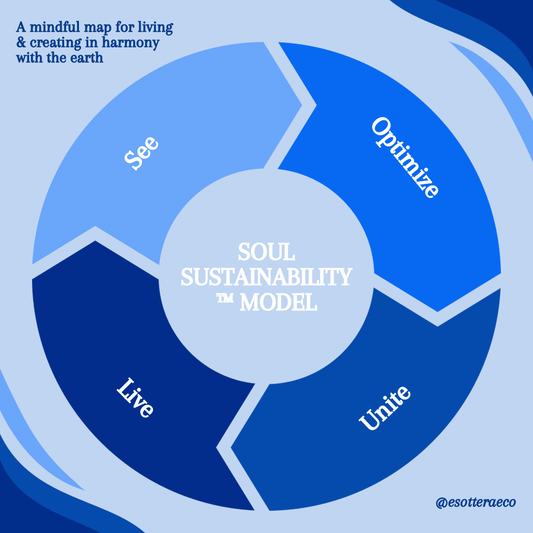
Sunlight awareness exemplifies SOUL™ principles:
-
SEE™: Observe energy levels, mood, and circadian alignment.
-
OPTIMIZE™: Adjust routines for natural light exposure and restorative benefits.
-
UNITE™: Connect your daily rhythm with seasonal and environmental patterns.
-
LIVE™: Integrate solar alignment practices as a regenerative daily habit.
Sunlight becomes both personal nourishment and ecological attunement.
Science-Backed Impacts
-
Mood & Emotional Balance: Sunlight increases serotonin, supporting emotional stability (Lambert et al., 2002).
-
Sleep & Circadian Rhythm: Regulates melatonin, improving rest and alertness.
-
Cognitive Function: Enhances focus, memory, and executive performance.
-
Environmental Awareness: Observing natural light cycles strengthens connection to seasonal and ecological patterns.
Solar alignment is a simple yet impactful way to embody Soul Sustainability™ daily.
Urban Sunlight Practices
Even in cities:
-
Sit near windows or outdoor patios during daylight.
-
Use reflective surfaces and greenery to enhance light exposure.
-
Combine sun exposure with mindful breaks, walking, or light stretching.
-
Journal how natural light affects mood and energy, refining daily rhythm.
Intentional sunlight engagement transforms a daily environmental feature into regenerative practice.
Conclusion
August sunlight offers an abundant opportunity to restore energy, elevate mood, and harmonize daily rhythms. By observing, optimizing, and integrating natural light exposure into your routines, you can enhance vitality, emotional clarity, and ecological awareness.
This August, let each sunlit moment be a regenerative step toward Soul Sustainability™, aligning mind, body, and planet.
References (APA)
Lambert, G. W., Reid, C., Kaye, D. M., Jennings, G. L., & Esler, M. D. (2002). Effect of sunlight and season on serotonin turnover in the brain. The Lancet, 360(9348), 1840-1842.
Czeisler, C. A., & Gooley, J. J. (2007). Sleep and circadian rhythms in humans. Cold Spring Harbor Symposia on Quantitative Biology, 72, 579-597.