















































Autumn Energy Alignment: Preparing Mind, Body, and Spirit for Fall
As November arrives, the days shorten and temperatures cool. This is a critical transition period for Soul Sustainability™, when aligning your energy with seasonal shifts supports physical vitality, emotional balance, and ecological awareness.
Autumn energy alignment involves adjusting daily routines, nutrition, and mindfulness practices to harmonize with nature’s rhythm, fostering presence, regeneration, and resilience.
Why Autumn Energy Alignment Matters
Changing seasons affect:
-
Circadian Rhythm: Shorter days influence melatonin, cortisol, and sleep cycles.
-
Emotional Wellbeing: Seasonal shifts can bring mood fluctuations or low energy (Rosenthal et al., 1984).
-
Cognitive Function: Energy changes impact focus, creativity, and decision-making.
-
Ecological Awareness: Observing natural cycles strengthens environmental connection.
Autumn energy alignment supports mind-body harmony and environmental attunement.
The Science Behind Seasonal Energy Shifts
-
Circadian Biology: Reduced daylight triggers melatonin production, signaling rest and reflection (Czeisler & Gooley, 2007).
-
Seasonal Affective Patterns: Some individuals experience mood and energy changes with shorter days; mindfulness and light exposure can mitigate effects (Lam & Levitt, 2013).
-
Immune System Adjustments: Cooler temperatures and seasonal foods influence immunity.
-
Behavioral Adaptation: Aligning routines with natural rhythms improves health, productivity, and resilience.
Energy alignment connects personal wellness with natural cycles, essential to Soul Sustainability™.
Psychological and Emotional Benefits
Autumn alignment supports:
-
Presence: Tune into sensory cues like crisp air, foliage colors, and seasonal aromas.
-
Emotional Balance: Mindful routines reduce stress, prevent burnout, and foster gratitude.
-
Cognitive Clarity: Adjusted routines improve focus, planning, and creativity.
-
Ecological Awareness: Observing seasonal shifts deepens connection to nature and planetary rhythms.
Practical Autumn Energy Alignment Practices
1. Morning Routines
-
Wake with sunrise when possible; expose yourself to natural light.
-
Begin with gentle stretching, deep breathing, or grounding meditation.
2. Seasonal Nutrition
-
Incorporate root vegetables, squash, apples, pears, and warming spices.
-
Eat mindfully, noticing flavor, texture, and seasonal qualities.
3. Mindful Movement
-
Walk outdoors, do yoga, or practice Tai Chi in natural settings.
-
Notice temperature, air quality, and seasonal sensory cues.
4. Restorative Evening Routines
-
Power down screens 1-2 hours before bed.
-
Journal reflections, gratitude, and observations of seasonal changes.
5. Ecological Observation
-
Note changes in local flora and fauna, weather patterns, and ecosystem rhythms.
-
Align daily choices with ecological awareness, reducing waste and energy consumption.
6. Intentional Goal-Setting
-
Set short-term, seasonal intentions for personal, professional, and ecological growth.
-
Reflect weekly to adjust routines and priorities based on energy shifts.
Autumn Energy Alignment and Soul Sustainability™
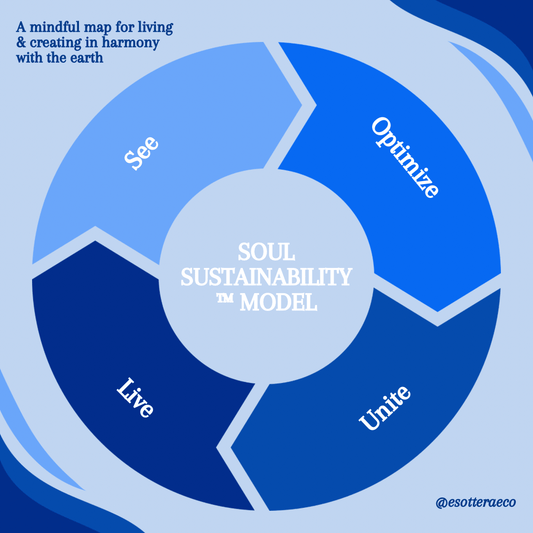
Energy alignment embodies SOUL™ principles:
-
SEE™: Observe personal energy patterns, seasonal shifts, and environmental cues.
-
OPTIMIZE™: Adjust routines, nutrition, and habits to support vitality and presence.
-
UNITE™: Connect with nature, community, and ecological rhythms.
-
LIVE™: Integrate energy alignment practices into daily life for regenerative living.
Through alignment, autumn becomes a season of reflection, vitality, and ecological connection.
Science-Backed Impacts
-
Circadian Support: Exposure to natural light and aligned routines stabilize sleep-wake cycles (Czeisler & Gooley, 2007).
-
Mood Regulation: Mindful seasonal practices reduce stress and seasonal affective symptoms (Lam & Levitt, 2013).
-
Immune Support: Seasonal foods and mindful routines bolster immunity.
-
Cognitive Performance: Adjusted routines enhance focus, planning, and creativity.
Energy alignment bridges personal wellness with ecological stewardship, central to Soul Sustainability™.
Urban Adaptations
Even in cities:
-
Observe seasonal changes from rooftops, parks, or street trees.
-
Integrate mindful movement indoors or in small green spaces.
-
Use seasonal nutrition and lighting practices to maintain rhythm.
-
Keep journals or digital tracking of energy, mood, and ecological observations.
Urban energy alignment translates natural seasonal rhythms into daily regenerative practices.
Conclusion
October invites us to align mind, body, and spirit with autumn’s energy, fostering clarity, balance, and ecological awareness. Through mindful routines, seasonal nutrition, movement, and observation, we prepare ourselves for the months ahead while practicing Soul Sustainability™.
This October, let your energy flow with the season, nurturing presence, vitality, and environmental connection.
References (APA)
Czeisler, C. A., & Gooley, J. J. (2007). Sleep and circadian rhythms in humans. Cold Spring Harbor Symposia on Quantitative Biology, 72, 579-597.
Rosenthal, N. E., Sack, D. A., Gillin, J. C., Lewy, A. J., Goodwin, F. K., Davenport, Y., ... & Wehr, T. A. (1984). Seasonal affective disorder: A description of the syndrome and preliminary findings with light therapy. Archives of General Psychiatry, 41(1), 72-80.
Lam, R. W., & Levitt, A. J. (2013). Canadian Network for Mood and Anxiety Treatments (CANMAT) and International Society for Bipolar Disorders (ISBD) 2013 clinical guidelines for the management of major depressive disorder. Bipolar Disorders, 15(3), 161-205.