



































Circular Living: Closing Loops in Life, Energy, and Materials
The modern world runs on a linear model: take, make, use, dispose. This extractive pattern dominates manufacturing, consumption, and even personal habits. It’s unsustainable, both ecologically and psychologically. Circular living offers a radical alternative: a way to close loops - of energy, resources, and personal practices - so nothing is wasted and everything regenerates.
At Esottera, circularity is not just a design principle - it’s a philosophy that blends inner ecology with outer ecology, creating a holistic approach to Soul Sustainability™.
Why Linear Living Fails
Linear systems deplete resources and create excess waste:
-
Single-use plastics pollute oceans
-
Fast fashion creates textile mountains
-
Overconsumption strains energy grids
-
Disconnected habits deplete personal energy
Globally, 92% of materials extracted are lost to landfills or incineration (UNEP, 2021). Linear living ignores feedback loops and creates persistent ecological imbalance.
Similarly, personal linear habits - burnout, overwork, impulse consumption - create emotional waste. We must close loops in both our external systems and internal systems.
What Circular Living Means
Circular living mirrors regenerative and ecological principles:
-
Reduce: Minimize waste and unnecessary consumption
-
Reuse: Extend the life of products and experiences
-
Restore: Replenish energy, soil, or resources
-
Redesign: Shift systems to prevent waste at the source
The goal is closing loops, so resources circulate rather than accumulate as waste, whether ecological, emotional, or energetic.
Circularity in Materials
Circular economy frameworks have demonstrated measurable impact:
-
European Commission (2020) found that closing material loops in manufacturing could reduce CO₂ emissions by up to 48% in some sectors.
-
Composting organic waste creates soil instead of methane-producing landfills.
-
Upcycling, repairing, and sharing platforms extend product lifecycles.
Circularity is not just recycling - it’s rethinking design and habits to keep materials in circulation.
Circularity in Energy
Energy can also be circular:
-
Capturing and reusing waste heat
-
Solar battery storage and reuse
-
Passive heating/cooling in buildings
-
Human energy: pacing, rest, and mindful routines
Circular energy systems reduce unnecessary loss and promote efficiency.
Circularity in Personal Habits
Inner ecology thrives in circular systems:
-
Rest restores focus and productivity
-
Reflection converts experience into wisdom
-
Gratitude loops create positive energy cycles
-
Compassion practices reinforce emotional resilience
Personal circularity ensures our energy isn’t depleted in linear “burn and crash” cycles. Mind, body, and emotions flow in regenerative loops - creating sustained capacity for ecological action.
Science Behind Circular Living
Neuroscience confirms that habits that close feedback loops - reflection, mindfulness, and restorative practices - strengthen prefrontal cortex networks, improving decision-making, emotional regulation, and long-term planning (Tang et al., 2015).
In other words, circular personal habits reinforce ecological behavior:
-
Reducing impulsive consumption
-
Reusing and sharing resources
-
Designing life systems for long-term sustainability
Circular living is embodied intelligence, not just environmental ideology.
Circular Design in Daily Life
How can we practice circularity in tangible ways?
-
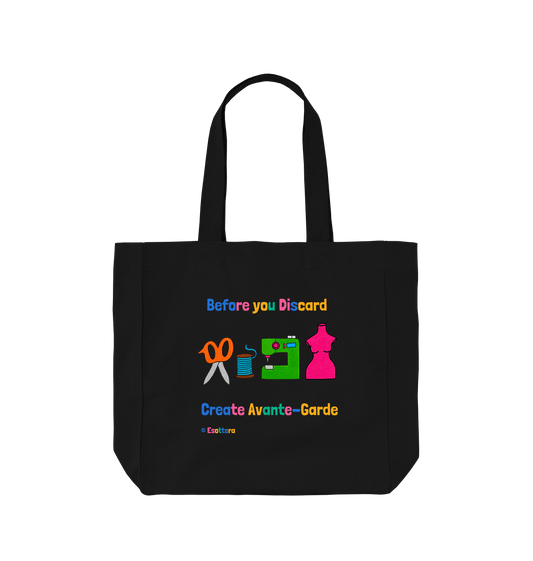
Personal possessions: Repair, donate, or upcycle before discarding
-
Food systems: Compost, share surplus, support regenerative farms
-
Energy: Use renewable sources and maximize efficiency
-
Digital systems: Delete duplicates, recycle devices, manage screen time
-
Time and attention: Schedule recovery, reflection, and learning loops
Every decision has the potential to close a loop, not just reduce waste.
Circularity and Emotional Ecology
Linear habits create emotional depletion: overwork, overstimulation, and neglect of self. Circular habits create replenishment cycles:
-
Journaling turns experience into insight
-
Meditation restores nervous system balance
-
Nature connection renews attention and energy
-
Community engagement multiplies support and learning
Closed emotional loops cultivate resilience, empathy, and presence, reinforcing ecological behavior naturally.
Circular Communities
Circular living scales through communities:
-
Tool libraries reduce unnecessary purchases
-
Community gardens circulate nutrients and knowledge
-
Shared mobility reduces emissions
-
Skills exchanges foster resilience
Each circular initiative mirrors natural systems, where nothing is wasted and every input supports another part of the ecosystem.
Soul Sustainability™ Integration
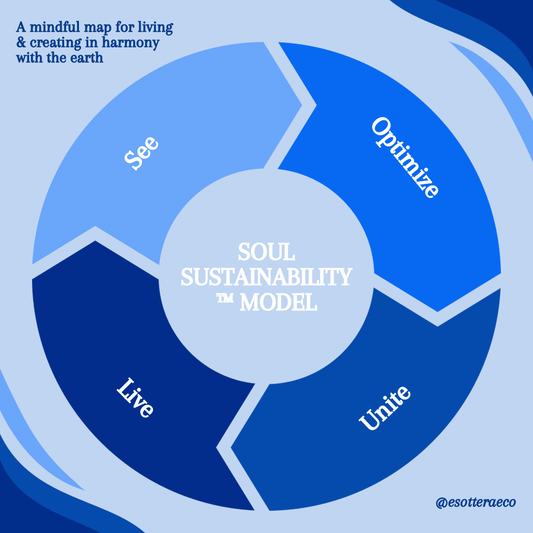
Circular living aligns with the SOUL framework:
-
SEE™: Awareness of waste, energy, and patterns
-
OPTIMIZE™: Reorganize systems to circulate resources
-
UNITE™: Connect with community, ecosystems, and self
-
LIVE™: Express circular practices as identity and lifestyle
Circular living unites inner and outer ecology: when your energy, habits, and resources flow in regenerative loops, sustainability becomes automatic and embodied.
Circularity as Long-Term Climate Action
Adopting circular habits reduces environmental impact while enhancing personal well-being:
-
Decreased waste → healthier ecosystems
-
Reduced energy loss → lower carbon emissions
-
Mindful habits → consistent ecological behavior
Circular living is scalable: each personal loop contributes to larger societal loops, multiplying the positive effect.
The Ripple Effect
Closing loops creates ripple effects:
-
Repaired items inspire neighbors to repair
-
Shared knowledge encourages sustainable practices
-
Balanced personal energy enables consistent climate action
Circular systems, internal and external, generate exponential impact - one loop at a time.
Conclusion
Linear habits deplete resources, energy, and well-being. Circular living restores balance - linking personal, social, and ecological loops. It is Soul Sustainability™ in motion: intentional, regenerative, and holistic.
Closing loops is not just environmental - it is emotional, spiritual, and social. By adopting circular habits, we embody sustainability, aligning our inner ecology with the planet’s health. Every repair, reflection, and shared resource creates a regenerative cycle, healing both self and Earth.
Circular living transforms sustainability from obligation into joyful, regenerative action.
References (APA)
European Commission. (2020). Circular economy action plan: For a cleaner and more competitive Europe.
Tang, Y.-Y., Hölzel, B. K., & Posner, M. I. (2015). The neuroscience of mindfulness meditation. Nature Reviews Neuroscience, 16(4), 213-225.
United Nations Environment Programme. (2021). Global material flows and resource efficiency report.