








































Emotional Ecology: How Our Inner Climate Mirrors Earth's Climate
Emotional ecology is the study of how our emotional states interact with environmental systems. Just as ecosystems can become polluted, depleted, or regenerative, so can our inner worlds.
The Internal-External Echo
Neuroscience shows that chronic stress and emotional dysregulation reduce our ability to make long-term, values-based decisions (Arnsten, 2009). When our inner climate becomes chaotic, impulsive behaviors rise - including overconsumption and ecological neglect.
The Ecology of Regulation
Practices that restore inner equilibrium (breathwork, mindful walking, sensory grounding, slow routines) strengthen the prefrontal cortex - the area of the brain responsible for future planning and moral reasoning.
This creates:
-
Lower consumption urges
-
Higher empathy for the living world
-
Greater resilience
-
Stronger alignment with sustainable action
Nature as Co-Regulator
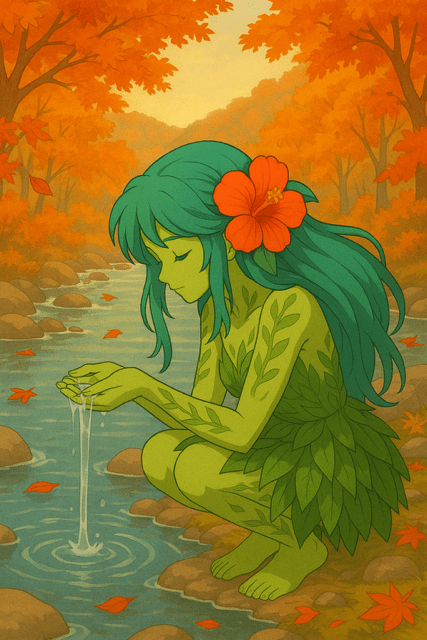
Studies show that spending just 120 minutes per week in nature improves emotional regulation, reduces rumination, and increases pro-environmental behavior (White et al., 2019).
Emotional Ecology in Daily Life
-
Respond, don’t react
-
Regulate, then act
-
Replace guilt with grounded awareness
-
Restore your nervous system
-
Reconnect with Earth through movement and cycles
The planet is not separate from us - we respond to each other.
APA Sources
Arnsten, A. F. (2009). Stress signaling pathways and impaired prefrontal cortex function. Nature Reviews Neuroscience, 10(6), 410-422.
White, M. P., et al. (2019). Spending at least 120 minutes a week in nature is associated with good health and wellbeing. Scientific Reports, 9(1), 7730.