















































Fall Mindfulness Routines: Cultivating Presence and Reducing Stress
As the crisp autumn air settles in, the changing season invites us to slow down, observe, and reconnect with ourselves and nature. Fall mindfulness routines are Soul Sustainability™ practices that help us reduce stress, cultivate presence, and align with natural cycles.
Through intentional practices, we enhance emotional balance, mental clarity, and ecological awareness, making autumn a season of reflection and regenerative living.
Why Mindfulness Matters in Fall
Autumn brings:
-
Shorter Days & Longer Nights: Can affect circadian rhythm, energy, and mood.
-
Transition & Letting Go: Leaves fall, signaling natural cycles of release.
-
Heightened Stress: Seasonal transitions may trigger stress, fatigue, or overwhelm.
-
Opportunities for Reflection: A season of natural introspection and grounding.
Mindfulness practices support adaptation, presence, and ecological attunement during seasonal change.
The Science Behind Mindfulness
-
Stress Reduction: Mindfulness decreases cortisol levels and supports emotional regulation (Creswell, 2017).
-
Cognitive Clarity: Enhances focus, attention, and executive function.
-
Emotional Awareness: Improves recognition and processing of emotions.
-
Ecological Connection: Nature-based mindfulness strengthens environmental engagement and pro-environmental behavior.
Mindfulness bridges personal wellbeing with environmental stewardship, central to Soul Sustainability™.
Psychological and Emotional Benefits
Fall mindfulness fosters:
-
Calm: Reduces stress, anxiety, and mental chatter.
-
Presence: Encourages observation of sensory experiences, seasonal changes, and inner states.
-
Emotional Resilience: Supports letting go of patterns, stress, or unhelpful habits.
-
Connection: Deepens awareness of nature, community, and personal values.
Practical Fall Mindfulness Rituals
1. Morning Reflection
-
Begin the day with 5-10 minutes of breathwork or meditation.
-
Observe the morning light, temperature, and sensory cues.
2. Nature Observation
-
Take mindful walks in parks, gardens, or wooded areas.
-
Focus on leaves, textures, sounds, and natural transitions.
3. Seasonal Journaling
-
Reflect on personal growth, lessons, and gratitude.
-
Set seasonal intentions and acknowledge what no longer serves you.
4. Mindful Eating
-
Incorporate fall superfoods with intention.
-
Engage senses fully while eating to enhance presence and digestion.
5. Evening Grounding
-
Practice restorative yoga, deep breathing, or guided meditation.
-
Observe sensations, emotions, and energy shifts before sleep.
6. Digital Detox
-
Limit screen exposure, especially in the evening.
-
Engage with nature, creativity, or reflective practices instead.
Fall Mindfulness and Soul Sustainability™
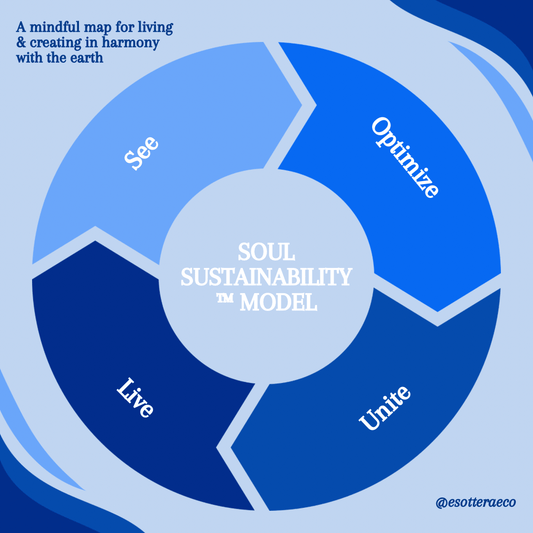
Mindfulness embodies SOUL™ principles:
-
SEE™: Observe inner states, energy patterns, and natural seasonal cues.
-
OPTIMIZE™: Adjust routines, habits, and practices for balance and wellbeing.
-
UNITE™: Connect personal mindfulness with environmental awareness and community.
-
LIVE™: Make seasonal mindfulness a consistent, regenerative practice.
Through mindful attention, autumn becomes a season of presence, reflection, and sustainable living.
Science-Backed Impacts
-
Stress Reduction: Regular mindfulness reduces cortisol and perceived stress (Creswell, 2017).
-
Cognitive Benefits: Supports focus, problem-solving, and mental clarity.
-
Emotional Resilience: Enhances awareness, self-regulation, and emotional processing.
-
Environmental Engagement: Nature-based mindfulness promotes sustainable behaviors and ecological connection.
Mindfulness connects personal growth with ecological stewardship, a cornerstone of Soul Sustainability™.
Urban Adaptations
Even in cities:
-
Practice mindful walking in parks or tree-lined streets.
-
Observe seasonal changes from balconies, rooftops, or windows.
-
Use indoor plants, natural textures, or aromatherapy for sensory grounding.
-
Engage with community gardens or urban ecological initiatives.
Urban mindfulness creates restorative presence and environmental connection in limited spaces.
Conclusion
November offers the perfect opportunity to embrace mindfulness routines, enhancing presence, emotional balance, and ecological awareness. By observing seasonal transitions, practicing breathwork, journaling, and connecting with nature, we nurture mind, body, and planet.
This fall, let mindfulness be a Soul Sustainability™ practice, turning reflection and presence into regenerative living.
References (APA)
Creswell, J. D. (2017). Mindfulness interventions. Annual Review of Psychology, 68, 491-516.
Kabat-Zinn, J. (1990). Full catastrophe living: Using the wisdom of your body and mind to face stress, pain, and illness. New York: Delta.