


































The New Era of Sustainability: Why 2026 Requires Inner Ecology, Not Just Eco-Habits
For decades, sustainability has focused on reducing emissions, cutting waste, and adopting greener habits. These efforts matter - yet studies continue to show one repeating problem: people know what to do but can’t sustain the behavior (Gifford & Chen, 2017).
This reveals a deeper truth:
Behavior change without inner change is temporary.
Why Inner Ecology Matters in 2026
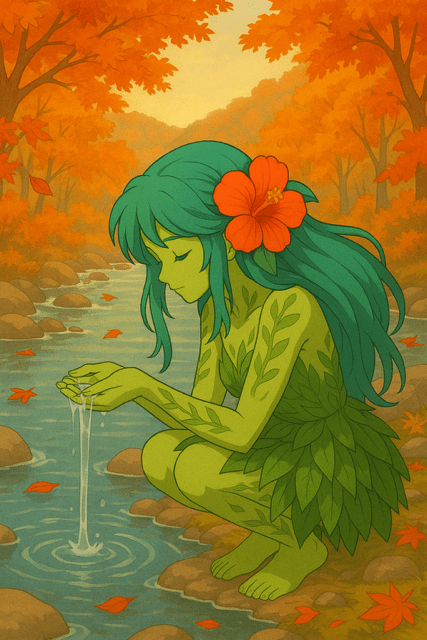
Inner ecology refers to the internal states - emotional regulation, nervous system rhythm, identity, and attention - that shape our external choices. Neuroscience has proven that dysregulated brains make short-term decisions, while regulated minds make future-oriented, sustainable ones (Arnsten, 2009).
This means sustainability isn’t only about recycling or composting - it’s about:
-
your energy
-
your nervous system
-
your emotional rhythm
-
your intentions
-
your values
The global climate crisis mirrors our inner climate crisis: overstimulation, burnout, overwhelm, and chronic dysregulation.
The SOUL™ Shift
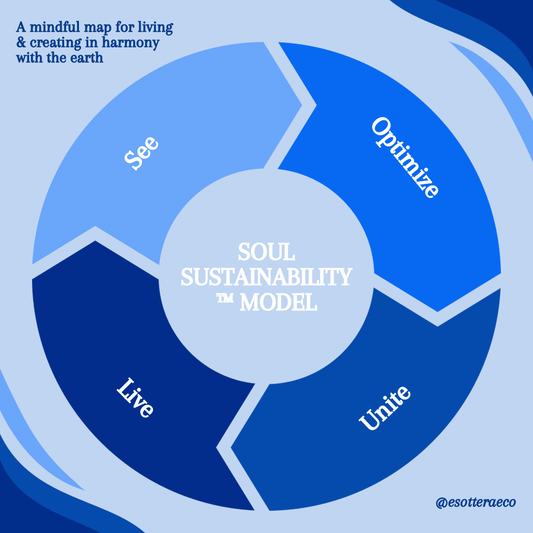
Esottera’s SOUL™ Model aligns with emerging environmental psychology:
-
S - SEE: Increasing conscious awareness
-
O - OPTIMIZE: Realigning habits through low-impact change
-
U - UNITE: Reconnecting with Earth’s rhythms
-
L - LIVE: Embodying values-based sustainable action
This is not wellness. It is behavioral ecology.
A sustainable planet requires sustainable minds.
2026: Conscious Living Becomes Climate Action
Inner ecology is the missing half of sustainability - and in 2026, it becomes the foundation.
APA Sources
Arnsten, A. F. (2009). Stress signaling and reduced prefrontal cortex function. Nature Reviews Neuroscience, 10(6), 410-422.
Gifford, R., & Chen, A. K. (2017). Psychological barriers to climate-positive behavior. APA, 1-11.