







































Regenerative Gardening: Late Summer Practices for Mind, Body, and Planet
Late summer is a prime season for gardening, harvesting, and soil care, offering a tangible way to practice Soul Sustainability™. Gardening nourishes the body with fresh produce, restores mental clarity, and supports ecological health.
Through mindful gardening, we connect with natural cycles, foster ecological care, and cultivate physical and emotional wellbeing.
Why Regenerative Gardening Matters
Gardening impacts both personal and environmental health:
-
Physical Health: Gardening involves movement, exposure to sunlight, and stress reduction.
-
Mental Clarity: Mindful interaction with soil and plants reduces anxiety and improves focus (Clatworthy et al., 2013).
-
Food Security & Nutrition: Growing your own produce ensures fresh, seasonal, and nutrient-dense foods.
-
Environmental Care: Gardening practices can enhance soil health, biodiversity, and carbon sequestration.
Late summer provides opportunities for harvest, soil rejuvenation, and preparation for fall planting.
The Science of Gardening
-
Stress Reduction: Interaction with plants and soil lowers cortisol and boosts mood (Van Den Berg & Custers, 2011).
-
Cognitive Benefits: Planning, planting, and observation support executive function and creative problem-solving.
-
Physical Fitness: Gardening builds strength, flexibility, and endurance.
-
Environmental Impact: Composting and permaculture practices reduce waste and regenerate ecosystems.
Mindful gardening is both regenerative and restorative.
Psychological and Emotional Benefits
Regenerative gardening supports:
-
Presence: Engaging senses-touching soil, smelling herbs, seeing color variations.
-
Emotional Regulation: Reduces stress and fosters a sense of accomplishment and purpose.
-
Cognitive Engagement: Planning, tracking growth, and observing cycles stimulate attention and creativity.
-
Environmental Connection: Direct involvement with soil and plants strengthens ecological awareness and stewardship.
Practical Late Summer Gardening Practices
1. Harvest Mindfully
-
Pick fruits, vegetables, and herbs with attention to ripeness and quality.
-
Reflect on how your harvest nourishes body and spirit.
2. Soil Regeneration
-
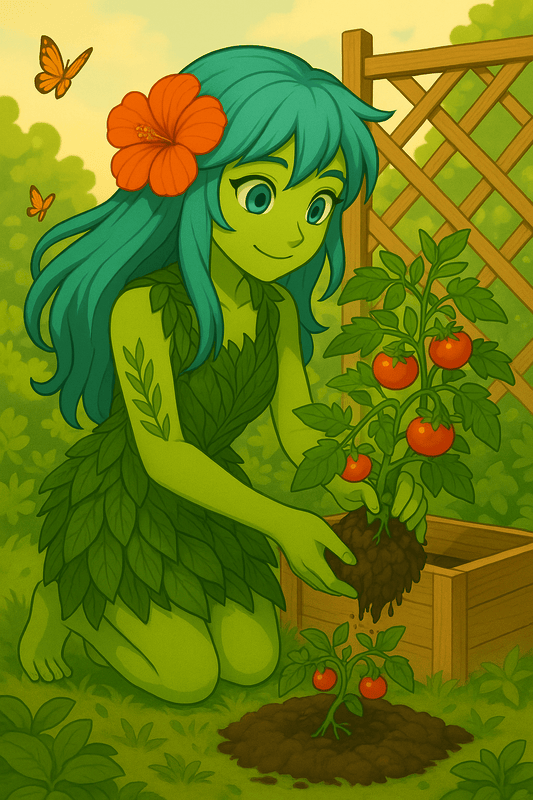
Add compost, mulch, or cover crops to replenish nutrients.
-
Rotate crops to maintain soil biodiversity and fertility.
3. Mindful Planting & Care
-
Engage fully in watering, pruning, and pest management.
-
Observe plants’ growth cycles and seasonal changes. Keep a journal to make observation easier to track.
4. Urban Gardening Adaptations
-
Use container gardens, balcony beds, or community plots.
-
Focus on seasonal herbs, leafy greens, and small fruits.
5. Community & Education
-
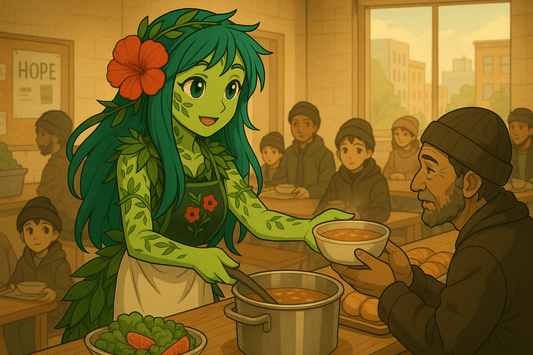
Share harvests with neighbors, friends, or local food banks.
-
Educate others on regenerative practices, composting, and seasonal growing.
6. Reflective Journaling
-
Track plant growth, energy, and personal wellbeing.
-
Note connections between gardening, mood, and environmental engagement.
Regenerative Gardening and Soul Sustainability™
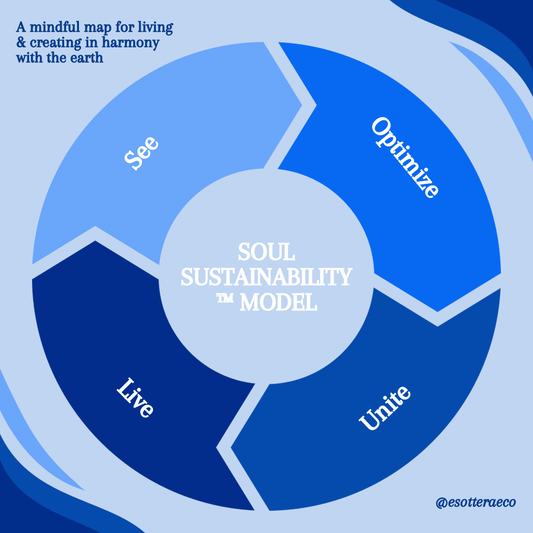
Regenerative gardening embodies the SOUL™ framework:
-
SEE™: Observe plant health, soil quality, and your energy during gardening.
-
OPTIMIZE™: Adjust watering, soil management, and planting to restore balance.
-
UNITE™: Connect with your garden, local community, and broader ecological system.
-
LIVE™: Make regenerative gardening a habitual, restorative, and sustainable practice.
Through gardening, we cultivate presence, resilience, and environmental stewardship simultaneously.
Science-Backed Impacts
-
Stress Reduction & Emotional Wellbeing: Gardening decreases cortisol and improves mood (Clatworthy et al., 2013).
-
Cognitive Engagement: Planning and observation enhance attention and problem-solving skills.
-
Physical Health: Builds strength, flexibility, and endurance.
-
Environmental Restoration: Composting, crop rotation, and regenerative practices improve biodiversity and soil health.
Gardening integrates personal vitality with planetary care, a cornerstone of Soul Sustainability™.
Urban Gardening Tips
Even in cities:
-
Use container gardens for herbs, microgreens, and small fruits.
-
Compost kitchen scraps for soil enrichment.
-
Join community gardens to share knowledge and resources.
-
Observe plant cycles and maintain mindful engagement with seasonal growth.
Urban gardening is a practical way to integrate regenerative practice into everyday life.
Conclusion
Late summer is a vital season for regenerative gardening, allowing us to harvest, restore soil, and deepen ecological awareness. By engaging mindfully in gardening, observing natural cycles, and implementing regenerative practices, we nourish body, mind, and planet.
This September, cultivate your garden-and your Soul Sustainability™-by growing food, presence, and connection.
References (APA)
Clatworthy, J., Hinds, J., & Camic, P. M. (2013). Gardening as a mental health intervention: A review. Mental Health Review Journal, 18(4), 214-225.
Van Den Berg, A. E., & Custers, M. H. G. (2011). Gardening promotes neuroendocrine and affective restoration from stress. Journal of Health Psychology, 16(1), 3-11.