














































Crossing the Autumn Equinox: Carrying Balance Into October
September marked the autumn equinox, the threshold in nature where day and night stood in equal balance. As we move into October, we now live on the other side of that doorway - entering shorter days, quieter rhythms, and a season that invites inward awareness and intentional recalibration.
At Esottera, the equinox is not a date to rush past - it’s a Soul Sustainability™ practice. Its purpose isn’t perfection or productivity, but alignment: syncing personal energy with natural cycles and ecological wisdom as the year begins to slow.
October is where integration happens.
Why Seasonal Alignment Still Matters After the Equinox
Humans evolved in relationship with natural rhythms. Even after the equinox passes, its influence continues - especially in how we care for our energy now.
Seasonal alignment supports:
-
Physiological Balance
Shortening daylight naturally shifts circadian rhythms, calling for gentler mornings, earlier rest, and slower evenings. -
Emotional Awareness
Autumn encourages reflection, gratitude, and honest assessment of what nourished - or depleted - you over the summer. -
Cognitive Clarity
Intentional routine adjustments improve focus as external stimulation decreases. -
Ecological Connection
Observing seasonal change strengthens attunement to the living systems we’re part of.
October is an invitation to honor the shift, not resist it.
The Science Behind Seasonal Rhythms
Research confirms what nature has always taught:
-
Circadian Regulation
Changes in daylight affect melatonin and cortisol, influencing sleep, mood, and energy levels (Czeisler et al., 2007). -
Mood & Emotional Health
Seasonal light exposure impacts serotonin production and emotional regulation (Lambert et al., 2002). -
Cognitive Function
Adjusting routines during seasonal transitions supports attention and mental clarity.
Seasonal attunement is not symbolic - it’s biological.
Psychological & Emotional Benefits of October Alignment
As autumn deepens, seasonal practices support:
-
Reflection
Gently reviewing the past season without judgment. -
Balance
Re-aligning sleep, work, and rest with diminishing daylight. -
Gratitude
Honoring what ripened, what released, and what remains. -
Belonging
Feeling rooted in natural and ecological systems, even in urban life.
October is less about initiation - and more about integration.
Practical Post-Equinox Autumn Practices
These practices help carry equinox balance forward:
1. Mindful Light Awareness
Notice sunrise and sunset times. Let light-not clocks-guide your energy pacing.
2. Seasonal Journaling
Reflect on summer’s lessons. Note changes in mood, sleep, and focus as autumn settles in.
3. Grounded Nature Walks
Observe falling leaves, cooler air, and quieter soundscapes. Walk slowly. Breathe deeply.
4. Energy Rebalancing
Shift toward earlier rest, warmer meals, and restorative rituals that support nervous system regulation.
5. Community Reflection
Share seasonal reflections with trusted people. Collective awareness strengthens resilience.
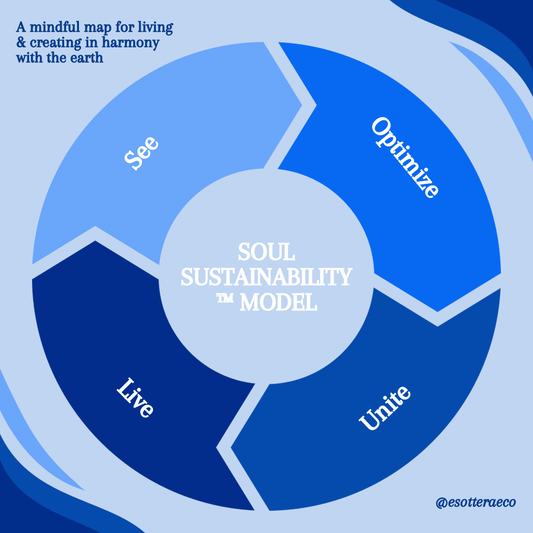
Autumn & the SOUL™ Sustainability Framework
Seasonal alignment naturally embodies the SOUL™ model:
-
SEE™ - Observe changes in light, energy, emotions, and ecology
-
OPTIMIZE™ - Adjust routines, nourishment, and rest
-
UNITE™ - Reconnect personal rhythms with Earth’s cycles
-
LIVE™ - Practice sustainability as embodied, daily self-expression
October turns awareness into lived wisdom.
Urban Autumn Alignment
Even without access to wilderness:
-
Observe daylight shifts through windows or brief outdoor pauses
-
Notice temperature changes, wind, and sound
-
Integrate journaling or breathwork into daily routines
-
Visit local parks or tree-lined streets for ecological grounding
Seasonal living is possible anywhere.
Conclusion
The autumn equinox marked a moment of balance. October is where we honor it.
By adjusting routines, softening expectations, and practicing mindful presence, we align with the season’s invitation toward clarity, restoration, and ecological connection.
This is Soul Sustainability™ in motion - where personal wellbeing and planetary care move together.
References (APA)
Czeisler, C. A., & Gooley, J. J. (2007). Sleep and circadian rhythms in humans.
Lambert, G. W., et al. (2002). Effect of sunlight and season on serotonin turnover.