













































Slow Living in Summer: Aligning Your Rhythm with Longer Days
Summer’s long days and warm temperatures can feel both liberating and overwhelming. More sunlight can energize us, but it can also disrupt sleep, productivity, and inner balance. At Esottera, we advocate slow living as a method to harmonize your personal rhythm with seasonal cycles, turning summer’s abundance into a regenerative experience.
Slow living is not about doing less - it’s about aligning your pace with natural rhythms, fostering physical vitality, emotional resilience, and ecological awareness.
Why Summer Calls for Slow Living
Summer brings natural acceleration:
-
Extended daylight: Often leads to later bedtimes and disrupted sleep.
-
Peak ecological activity: Gardens, wildlife, and ecosystems are at their fullest, demanding observation and care.
-
Increased social activity: Travel, events, and outdoor engagements can overstimulate.
If we move too quickly, we risk burnout and disconnection from both self and nature. Slow living restores balance by syncing internal rhythms to external cycles.
Neuroscience of Slow Living
Scientific research shows that pacing and intentionality improve cognition and emotional health:
-
Prefrontal cortex engagement: Planning and intentionality improve decision-making (Tang et al., 2015).
-
Parasympathetic activation: Slower routines reduce cortisol and stress, supporting immune function (McEwen, 2012).
-
Attention restoration: Mindful, unhurried activity in natural light restores focus and creativity (Kaplan & Kaplan, 1989).
Slow living isn’t passive - it’s a neurobiological reset for summer overstimulation.
Psychological Benefits
Summer slow living encourages:
-
Emotional Regulation: Reduces irritability, anxiety, and reactivity.
-
Cognitive Clarity: Extended sunlight can improve mood but also scatter attention - slow pacing restores focus.
-
Pro-environmental Awareness: Mindful observation of ecosystems increases ecological empathy (Nisbet & Zelenski, 2011).
-
Sustained Energy: Aligning activity with sunlight prevents burnout and maximizes vitality.
Practical Slow Living Strategies for Summer
1. Morning Alignment
-
Wake with sunrise, or at least expose yourself to morning light.
-
Gentle stretches, walking barefoot, or mindful breathing kickstart circadian rhythms.
2. Midday Pause
-
Avoid over-scheduling. Take a short rest, shade break, or meditation to prevent heat-induced fatigue.
-
Hydrate and eat seasonally abundant fruits and vegetables.
3. Afternoon Flow
-
Align work or creative tasks with natural energy peaks - usually late morning to early afternoon.
-
Incorporate outdoor movement: gardening, cycling, or mindful walking.
4. Evening Wind-Down
-
Reduce blue-light exposure from screens 2 hours before sunset.
-
Engage in quiet reflection, journaling, or light nature walks.
-
Practice gratitude: notice seasonal abundance and personal accomplishments.
Nature Integration
Slow living works best when paired with nature immersion:
-
Observe pollinators, birds, and plant growth throughout the day.
-
Listen to natural sounds rather than music or digital devices.
-
Engage the senses fully - feel textures, inhale scents, notice color changes.
Integrating seasonal observation cultivates both awareness and ecological consciousness.
Summer Slow Living and Soul Sustainability™
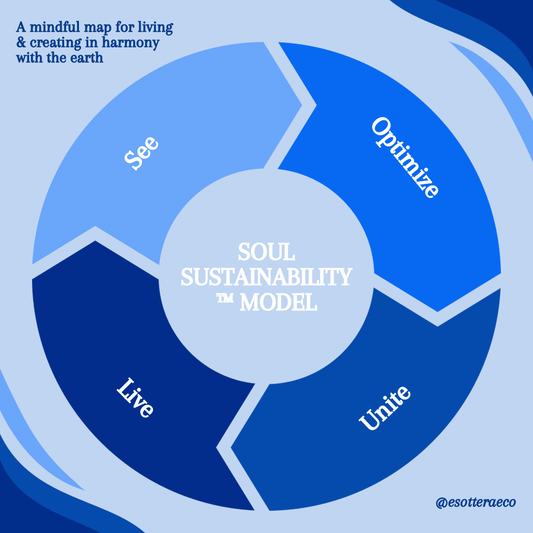
Esottera’s SOUL™ framework connects slow living to inner and outer ecology:
-
SEE™: Observe sunlight patterns, seasonal changes, and personal energy fluctuations.
-
OPTIMIZE™: Adjust daily routines and habits to minimize stress and energy loss.
-
UNITE™: Align with natural rhythms, community patterns, and ecological cycles.
-
LIVE™: Express values through regenerative, intentional, and mindful actions.
Slow living transforms summer from a reactive season into a regenerative one.
Science-Backed Impacts
-
Cognitive restoration: Time outdoors and reduced rush improves memory and focus (Berman et al., 2012).
-
Stress reduction: Slow summer routines lower cortisol levels, improving mood and immunity (Park et al., 2010).
-
Ecological behavior: Mindful seasonal awareness increases pro-environmental choices (Nisbet & Zelenski, 2011).
By pacing your day, you not only restore mental and emotional balance but also increase the likelihood of sustainable action.
Slow Living in Practice: Sample Summer Day
-
6:00 AM: Sunlight exposure, gentle stretching
-
7:00 AM: Seasonal breakfast, mindful eating
-
8:00-12:00 PM: Focused creative or work tasks
-
12:00-1:00 PM: Lunch, shade break, brief meditation
-
1:00-4:00 PM: Outdoor movement, reflection, gardening
-
4:00-6:00 PM: Light work, reading, or connection with loved ones
-
6:00-8:00 PM: Dinner, journaling, gratitude practice
-
8:00-10:00 PM: Wind-down, limited screens, night walk or gentle meditation
This structure respects circadian rhythm, seasonal abundance, and personal energy, creating a regenerative summer flow.
Conclusion
Summer’s abundance offers an opportunity to slow down, observe, and align with nature’s cycles. By intentionally pacing your day, integrating natural rhythms, and observing ecological processes, you cultivate inner balance, ecological empathy, and sustainable behavior.
Slow living in summer isn’t just restful - it’s Soul Sustainability™ in action. By matching your rhythm with the season, every movement, breath, and choice becomes regenerative for self, community, and planet.
References (APA)
Berman, M. G., Jonides, J., & Kaplan, S. (2012). The cognitive benefits of interacting with nature. Psychological Science, 19(12), 1207-1212.
Kaplan, R., & Kaplan, S. (1989). The experience of nature: A psychological perspective. Cambridge University Press.
McEwen, B. S. (2012). Brain on stress: How the social environment gets under the skin. Proceedings of the National Academy of Sciences, 109(2), 17180-17185.
Nisbet, E. K., & Zelenski, J. M. (2011). Underestimating nearby nature: Mindfulness predicts environmental engagement. Journal of Environmental Psychology, 31(3), 296-303.
Park, B. J., Tsunetsugu, Y., Kasetani, T., et al. (2010). The physiological effects of Shinrin-yoku (taking in the forest atmosphere) in humans: Relaxation and stress reduction. Public Health, 124(4), 267-276.
Tang, Y.-Y., Hölzel, B. K., & Posner, M. I. (2015). The neuroscience of mindfulness meditation. Nature Reviews Neuroscience, 16(4), 213-225.