
















































Digital Detox in the Sun: Mindful Tech Breaks During Long Days
Summer brings long days, warmth, and outdoor abundance - but for many of us, screens dominate even in nature. Phones, laptops, and social media can hijack attention, disrupt circadian rhythms, and disconnect us from the regenerative power of the season.
Digital detoxing - even briefly - supports Soul Sustainability™ by restoring emotional balance, boosting presence, and fostering ecological awareness. Summer is the ideal time for mindful tech breaks, as sunlight, nature, and seasonal abundance amplify the benefits.
Why a Summer Digital Detox Matters
Extended screen time can interfere with:
-
Sleep cycles: Blue light suppresses melatonin, especially during long daylight hours (Chang et al., 2015).
-
Attention and cognitive clarity: Constant notifications fragment focus and reduce creativity.
-
Emotional regulation: Social media and news overstimulation increase stress and anxiety (Twenge et al., 2018).
-
Nature connection: Device overuse displaces outdoor immersion and ecological attunement.
A digital detox allows the brain and body to recalibrate, making summer a regenerative season rather than a chaotic one.
The Neuroscience of Tech Overload
-
Prefrontal Cortex Fatigue: Multitasking and constant notifications impair decision-making and self-control.
-
Amygdala Overactivation: Stress-inducing content heightens emotional reactivity (McEwen, 2012).
-
Dopamine Hijacking: Social media triggers reward circuits, reinforcing compulsive checking behavior.
Even short digital breaks - 1 - 2 hours daily outdoors - can reset neural pathways, supporting attention restoration, emotional regulation, and ecological awareness.
Psychological and Emotional Benefits
Research shows that unplugging:
-
Reduces stress: Nature exposure without screens lowers cortisol levels (Park et al., 2010).
-
Improves mood: Mindful presence outdoors enhances serotonin and dopamine (Bratman et al., 2015).
-
Boosts creativity: Attention restoration in natural environments increases problem-solving skills (Berman et al., 2012).
-
Deepens ecological empathy: Experiencing ecosystems firsthand fosters sustainable choices (Nisbet & Zelenski, 2011).
Even short, consistent breaks generate cumulative benefits for mental health and ecological connection.
Practical Digital Detox Strategies for Summer
1. Scheduled Tech-Free Windows
-
Set 1-2 hours daily as device-free time, ideally outdoors.
-
Align with high sunlight hours to maximize vitamin D and circadian benefits.
2. Outdoor Nature Walks
-
Leave devices behind or in airplane mode.
-
Engage all senses: touch plants, listen to birds, observe sunlight patterns.
3. Mindful Observation Exercises
-
Focus on a single tree, water body, or pollinator for 5-10 minutes.
-
Observe colors, textures, movement, and sounds-this trains attention and awareness.
4. Morning or Evening Rituals
-
Replace phone scrolling with gentle stretching, meditation, or journaling.
-
Use sunlight to naturally regulate sleep cycles, rather than artificial alarms or screen exposure.
5. Device-Free Social Interaction
-
Picnic, outdoor yoga, or community gardening without phones.
-
Cultivates presence, connection, and regenerative energy exchange.
Science-Backed Outcomes
-
Reduced cortisol: Outdoor digital detox lowers stress hormones within 20 - 30 minutes (Park et al., 2010).
-
Improved focus: Removing digital distractions restores attention and enhances memory (Berman et al., 2012).
-
Enhanced empathy: Disconnecting allows observation and attunement to living systems, increasing environmental engagement (Nisbet & Zelenski, 2011).
-
Better sleep: Limiting blue-light exposure aligns circadian rhythms, improving rest and daytime vitality (Chang et al., 2015).
Regular detox periods amplify regenerative effects, especially when paired with mindful summer activities.
Integration with Soul Sustainability™
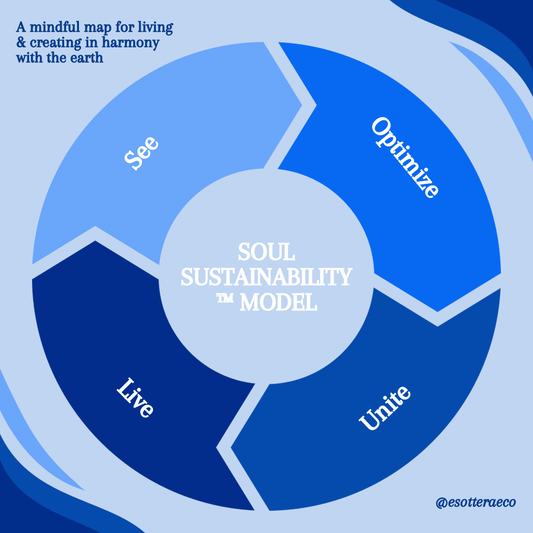
Digital detox supports Esottera’s SOUL™ framework:
-
SEE™: Notice natural cycles, seasonal abundance, and personal energy shifts without distraction.
-
OPTIMIZE™: Reorganize routines to balance work, play, and rest in alignment with circadian rhythm.
-
UNITE™: Reconnect with self, community, and ecosystem in the absence of screen interference.
-
LIVE™: Make intentional choices to preserve attention, energy, and ecological integrity.
A digital detox is more than a break - it’s embodied sustainability.
Tips for Urban Detoxers
Even in city environments, summer digital detox is possible:
-
Rooftop or balcony nature observation
-
Walking along rivers, parks, or tree-lined streets without devices
-
Participating in outdoor workshops or community gardening
-
Mindful observation of local flora and fauna
-
Carrying a small notebook to capture reflections instead of phone photos
These urban practices create neurobiological and emotional benefits similar to rural or wilderness immersion.
Conclusion
Summer provides the perfect environment to unplug, reset, and reconnect. Digital detoxing enhances focus, mood, and attention, while deepening connection to seasonal abundance and ecological systems.
By integrating daily or regular tech breaks, you cultivate Soul Sustainability™ in action - aligning mind, body, and environment while fostering regenerative habits for yourself and the planet.
References (APA)
Berman, M. G., Jonides, J., & Kaplan, S. (2012). The cognitive benefits of interacting with nature. Psychological Science, 19(12), 1207 - 1212.
Bratman, G. N., Daily, G. C., Levy, B. J., & Gross, J. J. (2015). The benefits of nature experience: Improved affect and cognition. Landscape and Urban Planning, 138, 41 - 50.
Chang, A. M., Aeschbach, D., Duffy, J. F., & Czeisler, C. A. (2015). Evening use of light-emitting eReaders negatively affects sleep, circadian timing, and next-morning alertness. Proceedings of the National Academy of Sciences, 112(4), 1232 - 1237.
McEwen, B. S. (2012). Brain on stress: How the social environment gets under the skin. Proceedings of the National Academy of Sciences, 109(2), 17180 - 17185.
Nisbet, E. K., & Zelenski, J. M. (2011). Underestimating nearby nature: Mindfulness predicts environmental engagement. Journal of Environmental Psychology, 31(3), 296 - 303.
Park, B. J., Tsunetsugu, Y., Kasetani, T., et al. (2010). The physiological effects of Shinrin-yoku (taking in the forest atmosphere) in humans: Relaxation and stress reduction. Public Health, 124(4), 267 - 276.
Twenge, J. M., Martin, G. N., & Campbell, W. K. (2018). Decreases in psychological well-being among American adolescents after 2012 and links to screen time during the rise of smartphone technology. Emotion, 18(6), 765 - 780.