















































Slow Living in Summer: Aligning Daily Rhythms with Seasonal Flow
Summer invites longer days, abundant light, and natural energy cycles, offering a unique opportunity to practice slow living - the art of intentionally pacing life to restore balance, presence, and connection.
At Esottera, we integrate slow living into Soul Sustainability™, emphasizing alignment with natural rhythms, mindful habits, and regenerative choices.
What is Slow Living?
Slow living encourages intentional pacing and mindful engagement in daily activities:
-
Awareness of Time: Recognizing natural rhythms, avoiding unnecessary rush.
-
Mindful Engagement: Focusing on the present moment, rather than multitasking or distraction.
-
Regenerative Habits: Prioritizing activities that nourish body, mind, and environment.
-
Ecological Integration: Aligning lifestyle with seasonal cycles and environmental stewardship.
Summer’s abundance makes it an ideal season to embrace slow living practices.
The Science of Slow Living
Research shows benefits for mind, body, and brain:
-
Stress Reduction: Mindful pacing decreases cortisol and sympathetic nervous system activation (Kabat-Zinn, 2003).
-
Cognitive Clarity: Focused attention improves executive function and creativity.
-
Emotional Regulation: Mindfulness enhances awareness of emotions and promotes resilience (Hölzel et al., 2011).
-
Physical Health: Reduced rush lowers heart rate, improves digestion, and enhances sleep quality.
Even small daily practices, repeated consistently, create lasting physiological and psychological benefits.
Psychological and Emotional Benefits
Slow living in summer supports:
-
Presence: Fully experiencing the season’s sights, sounds, and rhythms.
-
Emotional Balance: Reduces overwhelm and fosters joy.
-
Clarity and Creativity: Allows the mind to process information and generate insight.
-
Environmental Awareness: Observing natural cycles strengthens ecological connection and stewardship.
Practical Slow Living Practices for Summer
1. Morning Routines
-
Start the day with mindful movement or meditation outdoors.
-
Observe sunlight, temperature, and natural sounds.
2. Seasonal Eating
-
Eat slowly and mindfully, focusing on summer fruits and vegetables.
-
Notice texture, flavor, and origins of each bite.
3. Digital Boundaries
-
Reduce unnecessary screen time, especially during peak daylight hours.
-
Allow space for sensory engagement with nature.
4. Walking and Nature Immersion
-
Take unhurried walks in parks, gardens, or near water.
-
Pay attention to birds, insects, breeze, and shadows.
5. Intentional Rest
-
Allow downtime without guilt; rest is regenerative.
-
Practice napping, stretching, or simply observing seasonal shifts.
6. Journaling and Reflection
-
Document observations, insights, and gratitude.
-
Notice shifts in energy, mood, and awareness over time.
Summer Slow Living and Soul Sustainability™
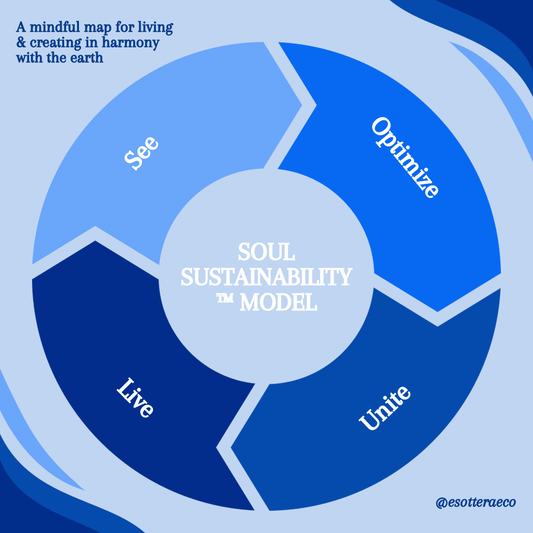
Slow living aligns perfectly with the SOUL™ framework:
-
SEE™: Observe your internal energy, stress levels, and seasonal cues.
-
OPTIMIZE™: Adjust pace, routines, and activities to align with natural flow.
-
UNITE™: Connect deeply with self, community, and environment.
-
LIVE™: Integrate mindful and regenerative practices into everyday life.
Summer slow living fosters resilience, clarity, and alignment with the cycles of nature.
Science-Backed Impacts
-
Stress Relief: Mindful slowing decreases physiological stress markers (Kabat-Zinn, 2003).
-
Cognitive Function: Enhances focus, decision-making, and problem-solving.
-
Emotional Regulation: Increases emotional awareness and reduces anxiety (Hölzel et al., 2011).
-
Environmental Awareness: Observing seasonal changes strengthens motivation for sustainable behaviors.
Slow living is not passive - it’s an intentional practice with measurable benefits for mind, body, and planet.
Urban Slow Living Tips
Even in cities:
-
Pause during commutes to observe light, weather, or greenery.
-
Take walking breaks in parks or tree-lined streets.
-
Reduce multitasking during meals, work, and leisure.
-
Practice mindful breathing during daily activities.
Consistency transforms small moments into regenerative, Soul Sustainability™ practices.
Conclusion
Summer offers the perfect opportunity to slow down, restore presence, and reconnect with natural rhythms. By integrating mindful pacing, seasonal engagement, and intentional reflection, we cultivate Soul Sustainability™, enhancing resilience, clarity, and ecological awareness.
This August, embrace slow living as a regenerative practice, letting each day flow in harmony with the season.
References (APA)
Hölzel, B. K., Lazar, S. W., Gard, T., Schuman-Olivier, Z., Vago, D. R., & Ott, U. (2011). How does mindfulness meditation work? Proposing mechanisms of action from a conceptual and neural perspective. Perspectives on Psychological Science, 6(6), 537-559.
Kabat-Zinn, J. (2003). Mindfulness-based interventions in context: Past, present, and future. Clinical Psychology: Science and Practice, 10(2), 144-156.