












































How Slowing Down Creates Lasting Impact - The Morning I Realized Sustainability Begins With the Self
Last spring, I stepped outside just before sunrise and noticed how quietly the world wakes. No rush. No urgency. Just rhythm. The birds were deliberate in their songs. The breeze moved as if it had all the time in the world. Even the dew lingered on the grass.
I realized something profound: I’d been trying to live sustainably while rushing through my life unsustainably.
I recycled. I bought eco products. I talked about ethics. I even donated and composted. But inside, my mind was racing, my schedule frantic, and my decisions impulsive. My “sustainable life” felt like a checklist rather than a natural way of being.
That morning became my turning point. I slowed down. I began tuning into the quiet cues that my body and the Earth were giving me:
-
Fewer hours on screens - letting my attention rest and recover. Research shows that reduced screen time lowers stress and helps with intentional decision-making (Rosen et al., 2013).
-
More morning light - aligning my circadian rhythm with nature to improve mood and energy (Roenneberg et al., 2007).
-
Slower breakfasts - savoring meals increases mindfulness and reduces impulsive eating and consumption.
-
Mindful consumption - noticing what I really need instead of reacting to marketing or habit. Mindfulness enhances self-regulation and lowers impulsive behavior (Keng et al., 2011).
-
Seasonal routines - letting the natural cycles of the year guide activity, diet, and creativity, rather than following artificial deadlines.
As I shifted my inner pace, my outer habits naturally became more sustainable. Clothes lasted longer, meals became less wasteful, and I began supporting local and seasonal foods without forcing myself. Shopping became an intentional act rather than a compulsion. Even small things, like repairing instead of replacing, felt natural and satisfying.
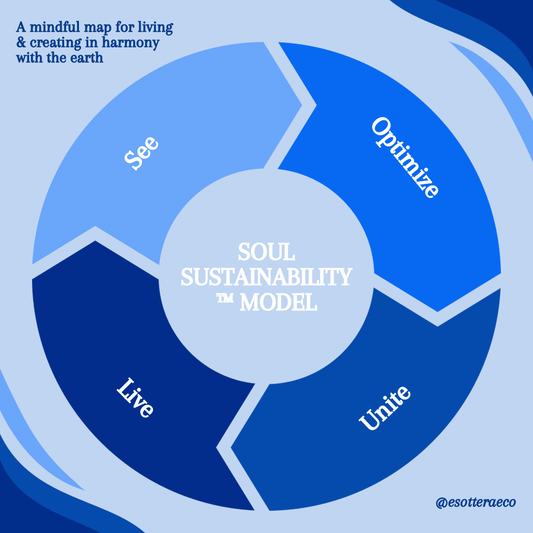
This is soul sustainability in action - where inner rhythm shapes outer impact. It’s a gentle reminder that sustainability is not just about what we do; it’s also about how we move through the world. When our internal pace is aligned with nature, our choices ripple outward effortlessly, creating deeper, lasting environmental impact.
APA References for Added Research
Keng, S. L., Smoski, M. J., & Robins, C. J. (2011). Effects of mindfulness on psychological health. Clinical Psychology Review, 31(6), 1041-1056.
Roenneberg, T., Wirz-Justice, A., & Merrow, M. (2007). Life between clocks: Daily temporal patterns of human chronotypes. Journal of Biological Rhythms, 22(1), 80-90.
Rosen, L. D., Lim, A. F., Carrier, L. M., & Cheever, N. A. (2013). An empirical examination of the educational impact of text message-induced task switching in the classroom: Educational implications and strategies to enhance learning. Educational Psychology, 33(3), 265-282.